June 2, 2026
Choosing the appropriate roofing material is crucial for ensuring the longevity and durability of a home. Not only does the roof protect against the elements, but it also significantly affects energy efficiency and aesthetic appeal. The selection process can be complex as it requires consideration of several factors such as local climate conditions, budget constraints, and specific aesthetic preferences. The following sections provide a comprehensive overview to help you choose between shingle, wooden, and metal roofing services for your home.
Understanding Different Roofing Materials
Asphalt Shingles
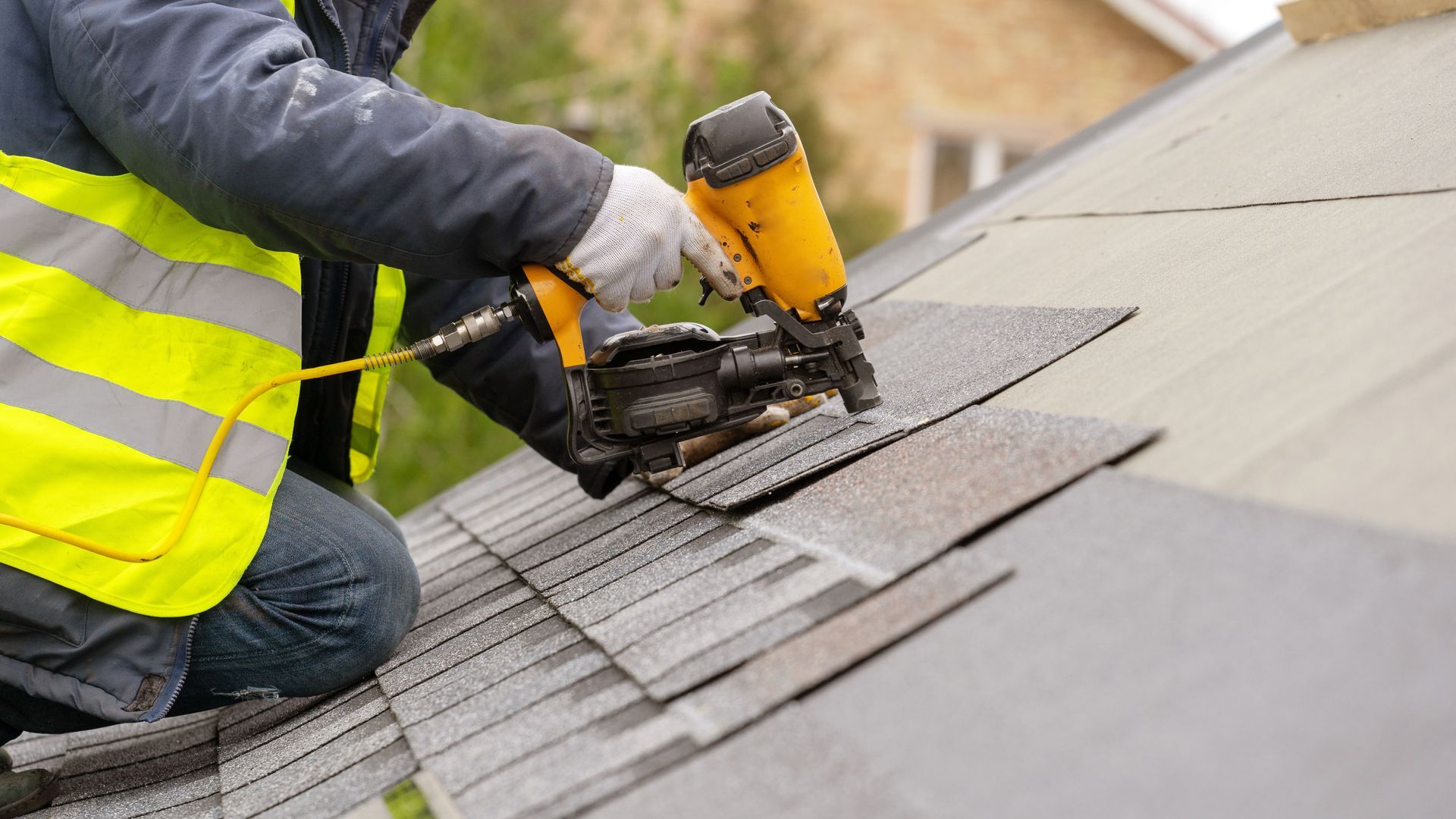
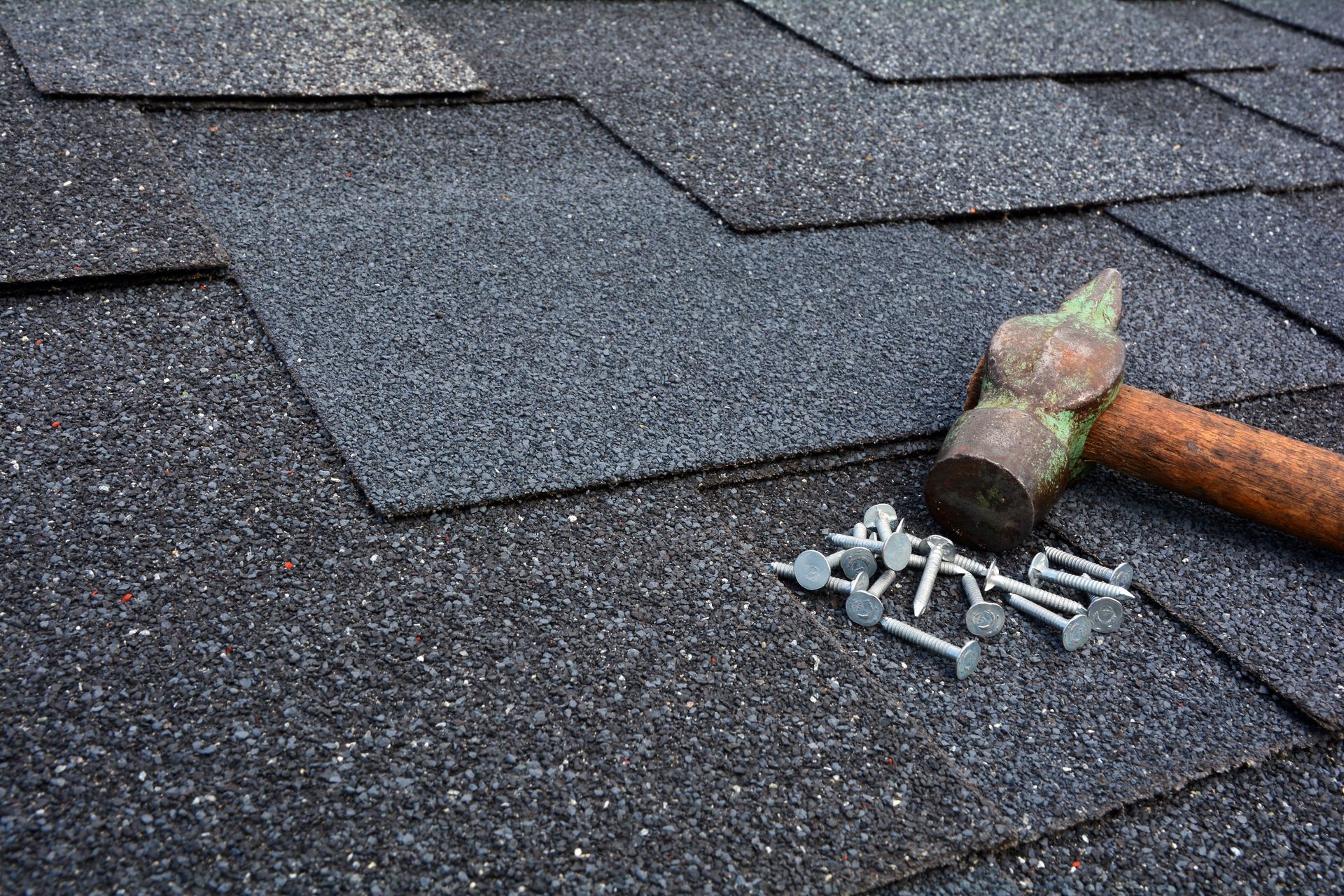
Asphalt shingles are the most common roofing material used in residential construction due to their affordability and versatility. They are relatively easy to install and come in a variety of colors and styles, allowing homeowners to match their roof with their home’s design. However, their lifespan is generally shorter compared to other materials.
In climates with dramatic weather changes, asphalt shingles can be susceptible to damage like cracking or losing granules. While they offer moderate resistance to wind and hail, their performance may decrease over time, impacting both durability and appearance. Despite these drawbacks, when replaced or maintained regularly, asphalt shingles can be a cost-effective option for many homeowners.
It's important to consider the environmental impact of asphalt shingles as well. They are not biodegradable, and while recycling programs exist, not all regions offer them. The choice may ultimately depend on balancing initial costs with desired longevity and the environmental footprint of the materials.
Metal Roofing
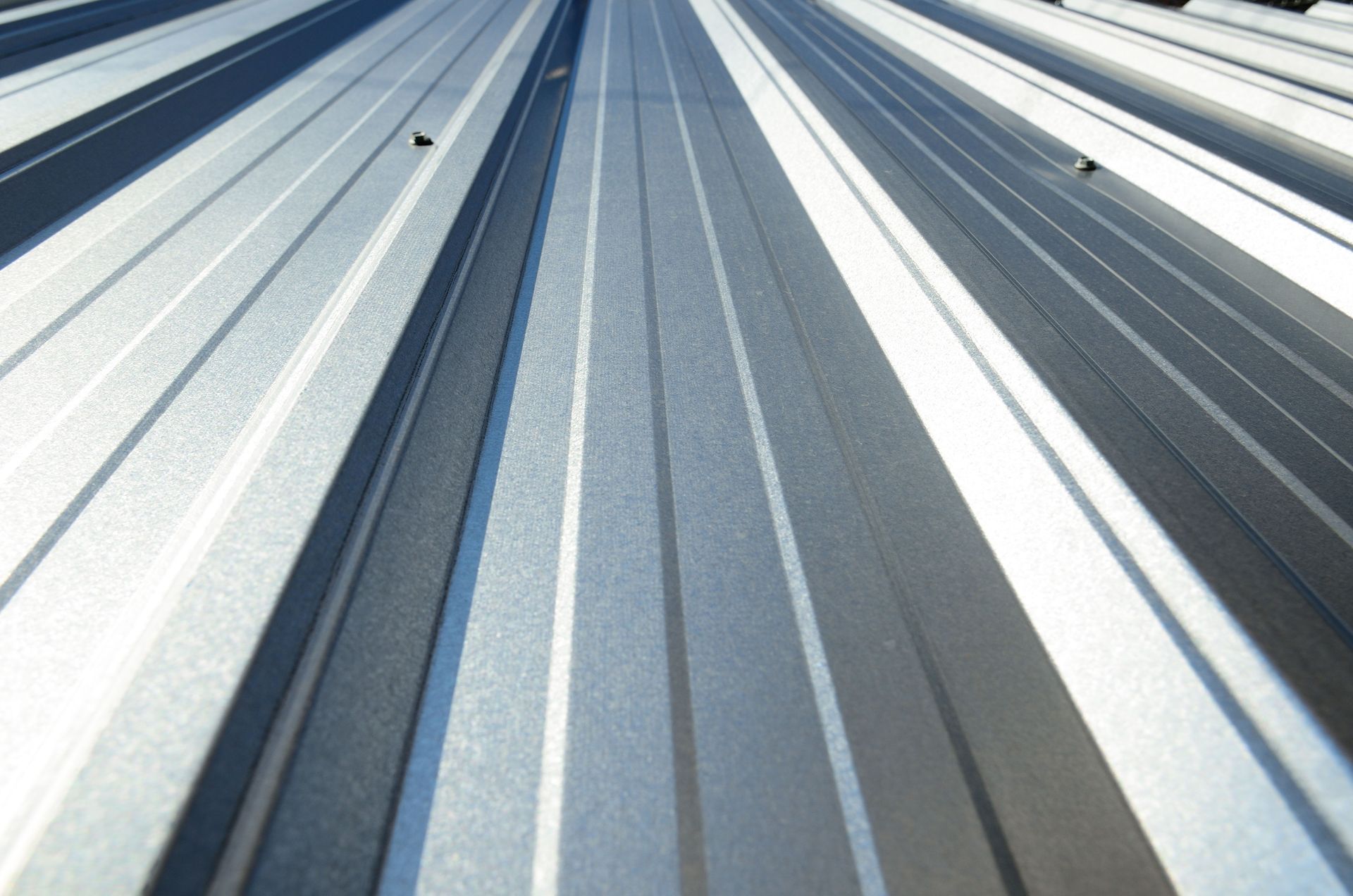
Metal roofing is celebrated for its durability. Metals such as steel, aluminum, and copper provide robust resistance to weather conditions, including strong winds and heavy snow. Additionally, according to Insider, these roofs are nearly 100% recyclable, making them an environmentally conscious choice.
Metal roofing services require professional expertise due to their complexity, and initially, they can be more expensive than other materials. However, metal roofs offer long-term savings, given their low maintenance requirements and longevity. They are also energy-efficient, reflecting sunlight and reducing cooling costs, which is a significant advantage in warm climates.
The aesthetic versatility of metal roofing services should not be overlooked; it can complement various architectural styles from modern to traditional. Because of their performance in energy efficiency and recyclability, metal roofs are becoming increasingly popular among environmentally-conscious homeowners. Overall, the investment in metal roofing services can pay off over time through reduced energy bills and minimal maintenance costs.
Wood Shingles and Shakes
Wood shingles and shakes provide a natural, rustic appearance that is highly sought after for certain architectural styles. They are typically made from cedar, redwood, or pine, offering a durable and environmentally friendly option. However, wood is more susceptible to environmental factors such as rot, insects, and fire unless treated properly.
The maintenance of wooden roofs often includes regular treatments and inspections to ensure longevity and performance. They have a moderate lifespan, somewhere between asphalt and metal. Despite potential challenges, the aesthetics and natural insulation properties make wood shingles and shakes an attractive choice for some homeowners.
Wood roofs can be more expensive to install and maintain compared to other options, yet they provide a unique charm that synthetic materials often cannot replicate. In choosing wood as a roofing material, weighing its aesthetic and thermal benefits against its maintenance demands is crucial. With proper care, wood shingles and shakes can enhance the beauty and efficiency of a home significantly.
Evaluating Roof Durability and Lifespan
Weather Resistance
Weather resistance is a critical factor in choosing the right roofing material, as it directly impacts the roof’s durability. Materials like metal and slate offer superior resistance to harsh weather conditions, including heavy rain, wind, and hail. Conversely, asphalt shingles may become damaged in extreme weather, diminishing their lifespan and effectiveness.
The specific climate of a region should guide the selection of roofing materials. For instance, areas prone to strong winds and storms may benefit from the robust nature of metal roofing services, while regions with significant sun exposure might prioritize materials with high solar reflectance. Properly evaluating weather resistance can prevent costly repairs and lengthen the roof’s lifespan.
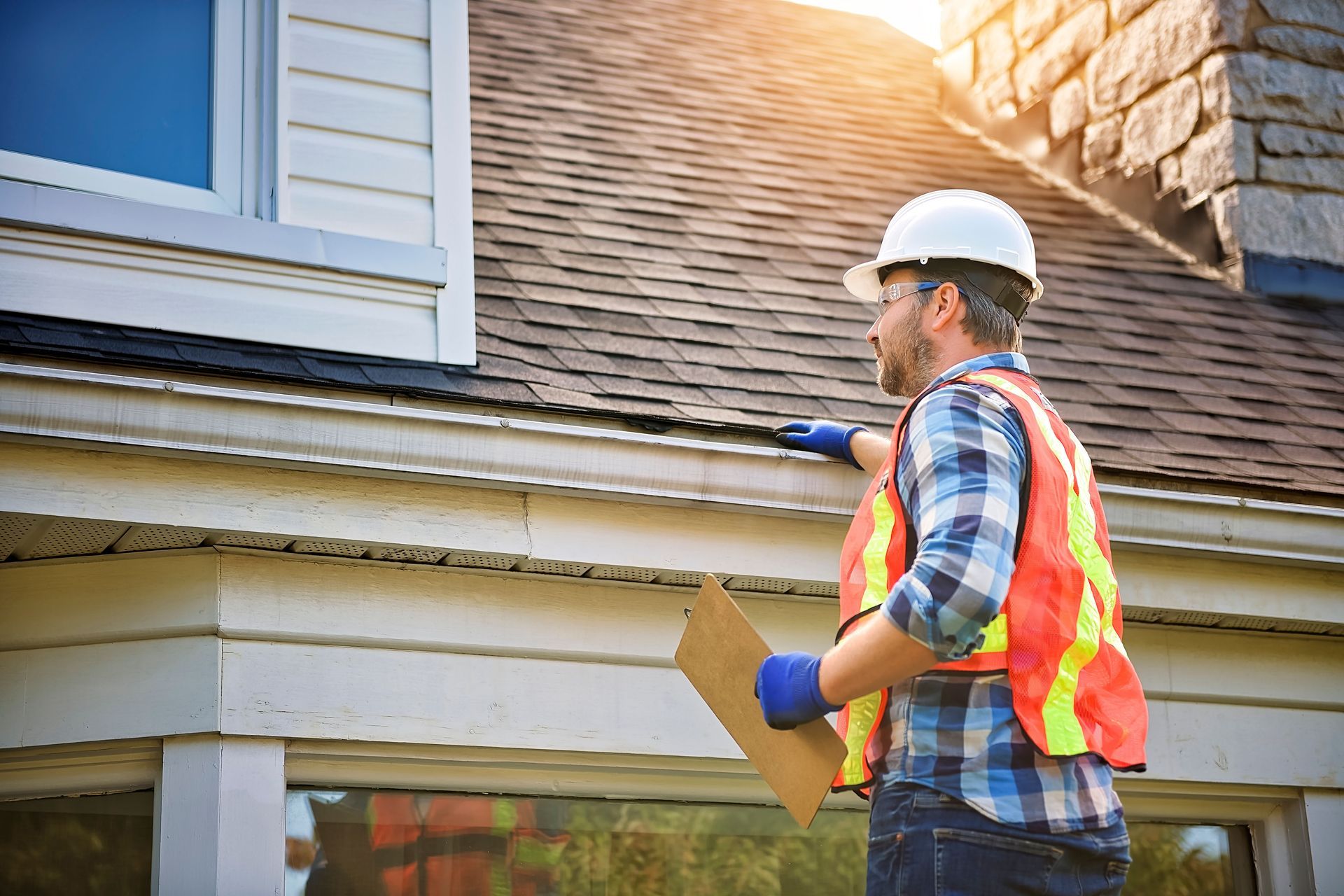
Homeowners must also consider factors like roof slope and installation quality, as they can significantly influence weather performance. A properly installed roof with a slope designed to channel water effectively will generally last longer. Investing in a weather-resistant material suitable for your climate can safeguard your home and extend the service life of the roof.
Material Longevity
Material longevity is a major consideration when evaluating asphalt, wooden, or metal roofing services, as it affects both financial and labor investments over time. Slate and metal roofing offer the longest lifespans, often exceeding multiple decades, which can justify their higher initial costs. Asphalt shingles, while less expensive upfront, generally have a shorter lifespan, necessitating more frequent replacement.
Choosing a roofing material with the longest possible lifespan ensures reduced maintenance and replacement costs. While initial expenses may be higher, over time, the benefits of less frequent repairs and replacements become apparent. Advanced technologies in roofing materials have improved longevity, particularly in metal and synthetic options, providing more durable solutions for homeowners.
Homeowners seeking a roof that stands the test of time should weigh the longevity of different materials against their financial planning. Those planning to settle in their homes for a significant duration may find a long-lasting material a worthwhile investment. Considering lifespan can influence both budget and environmental impact, reducing waste through fewer replacements.
Considering Energy Efficiency and Environmental Impact
Insulation Properties
Insulation properties of a roof significantly affect a home's energy efficiency by determining heat retention and loss. Materials like metal and clay provide excellent insulation, helping to maintain consistent indoor temperatures and reduce energy bills. Conversely, wood shingles might not offer the same level of insulation, but can be optimized with additional underlays.
Enhancing insulation is essential in both cold and warm climates to improve comfort and energy efficiency. Homeowners should look at not only the roof material but also additional insulation products and technologies to maximize efficiency. Selecting materials with superior insulating properties is a proactive step towards reducing heating and cooling costs.
Considering insulation properties helps align roofing choices with broader energy-saving goals. With the growing focus on eco-friendly solutions, many modern roofing materials now integrate advanced insulation technologies. Choosing a roof that supports efficient insulation can lead to significant savings and sustainability improvements over time.
Energy Star Ratings
Energy Star ratings provide a standardized measure for evaluating a roofing material's energy efficiency, enhancing decision-making for environmentally informed consumers. These ratings assess factors like solar reflectance and thermal emissivity, indicating how well a product might reduce heating and cooling demands. A roof with a good Energy Star rating can attract additional incentives such as rebates or tax credits.
Selecting Energy Star-rated materials offers a pragmatic route to improving home energy efficiency and reducing utility costs. The ratings support informed choices by providing an easily accessible performance benchmark for comparison across material types. This alignment with industry standards reinforces both economic and ecological value in roofing selections.
Homeowners should consider consulting Energy Star databases or speaking with certified contractors to identify best-fit solutions. Such choices contribute to creating energy-efficient homes, lessen ecological impact, and optimize cost-effectiveness. Embracing Energy Star-rated materials reinforces a commitment to long-term sustainability and savings.
Selecting the ideal roofing material is a multidimensional decision that extends far beyond simple aesthetics. As explored, the choice involves a strategic trade-off between upfront costs and long-term benefits. While asphalt shingles remain a popular, budget-friendly entry point, wood and metal roofing services offer specialized benefits in longevity and architectural character that can justify their higher initial investment. By carefully weighing these factors against your personal style and budget, you can invest in a roofing system that not only enhances your home’s curb appeal but also provides peace of mind and financial value for decades to come. To get professional advice on choosing the right material for your home, or get started on the installation of your new roof, reach out to the pros at Rainguard Roofing LLC today.