May 5, 2026
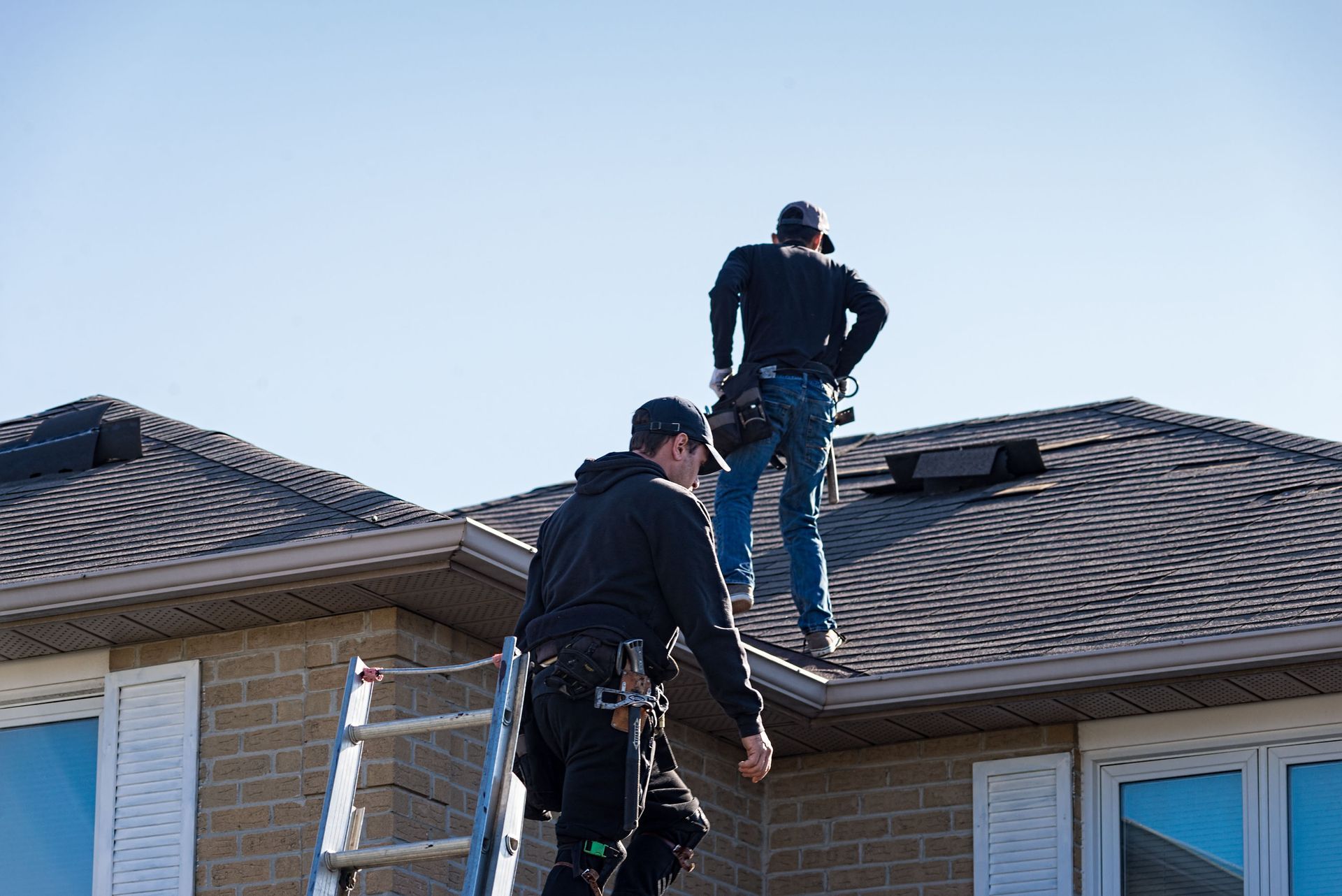
Proper gutter installation starts well before any materials are cut or fastened. It begins with a detailed evaluation process that ensures the system will effectively manage water runoff and protect the home over time. Professional contractors rely on a structured assessment to determine the most suitable design, placement, and capacity for each property. By carefully reviewing structural elements and environmental factors, they can develop a tailored solution that minimizes risk and maximizes durability.
A thorough roof evaluation also helps prevent costly issues that can arise from improper installation. Without this step, water may not be directed away efficiently, leading to long-term damage. Understanding how experts approach this process gives homeowners insight into the level of precision required for a successful outcome.
Evaluating Structure and Drainage Patterns
Analyzing Pitch and Surface Area
The pitch and overall size of a roof play a central role in determining how water flows during rainfall. Steeper slopes accelerate runoff, while flatter designs may allow water to pool or move more slowly. Contractors calculate the total surface area to estimate how much water the system must handle at any given time. This information directly influences gutter sizing and placement.
In addition to slope, professionals look at how different sections of the roof intersect. Valleys, ridges, and transitions between planes can concentrate water flow into specific areas. These high-volume points often require reinforced drainage solutions to prevent overflow.
Identifying Water Flow Paths
Understanding natural water pathways is critical for effective gutter installation. Contractors observe where water currently travels during storms, noting any signs of uneven distribution or pooling. These observations help determine optimal locations for gutters and downspouts.
By mapping these flow patterns, professionals can ensure that water is captured efficiently and redirected away from vulnerable areas. This step reduces the likelihood of erosion, foundation issues, and exterior damage over time.
Inspecting Existing Materials and Condition
Before installing a new system, contractors examine the condition of the existing roof materials. Damaged shingles, deteriorating fascia boards, or compromised edges can affect how gutters are secured. Addressing these issues beforehand ensures a stable foundation for installation.
This inspection also helps identify any underlying problems that could interfere with performance. By resolving structural concerns early, contractors create a more reliable and long-lasting gutter system.
Determining Proper Gutter Size and Placement
Matching Gutter Capacity to Water Volume
Selecting the correct gutter size is essential for managing runoff effectively. Contractors use measurements gathered during the assessment to calculate the expected water volume. According to This Old House, residential systems are typically available in five and six-inch widths, with the appropriate choice depending on factors such as total roof area and regional rainfall intensity.
Choosing the right size ensures that water can be transported without spilling over the edges. Oversized systems may be unnecessary for smaller structures, while undersized options can lead to frequent overflow and maintenance issues.
Planning Downspout Locations
Downspouts are a critical component of any gutter system, as they direct water safely away from the home. Contractors determine the ideal number and placement of downspouts based on the layout of the roof and the identified flow patterns.
Proper spacing ensures that water does not accumulate in one section of the gutter. By distributing downspouts strategically, professionals improve efficiency and reduce strain on the system.
Ensuring Proper Slope and Alignment
For gutters to function correctly, they must be installed with a slight slope that encourages water movement toward the downspouts. Contractors carefully calculate this angle to balance efficient drainage with a clean, level appearance.
Alignment is equally important. Even minor inconsistencies can disrupt water flow and lead to standing water. Accuracy during this phase helps maintain consistent performance and reduces the risk of long-term issues.
Assessing Environmental and Structural Factors
Evaluating Local Weather Conditions
Climate plays a significant role in gutter design. Areas with heavy rainfall require systems capable of handling larger volumes of water, while regions with seasonal debris may need additional protection features.
Contractors consider historical weather patterns when planning installation. This ensures that the system is prepared to perform under typical and extreme conditions alike. In regions where storms are more intense or prolonged, this step becomes even more critical, as increased water volume can quickly overwhelm an undersized or poorly positioned system.
Considering Landscaping and Surroundings
The surrounding environment can influence how water is managed around a property. Trees, slopes, and nearby structures all affect drainage patterns. Contractors evaluate these elements to ensure that water is directed away from the home without causing erosion or pooling in landscaped areas.
This step also helps identify potential sources of debris that could clog the system. By accounting for these factors, professionals can recommend solutions that reduce maintenance requirements. For example, properties with heavy tree coverage may benefit from protective features that limit buildup and maintain consistent water flow.
Verifying Structural Support and Attachment Points
Gutters must be securely attached to withstand the weight of water and debris. Contractors inspect fascia boards and other attachment points to confirm they are strong enough to support the system.
If any weaknesses are identified, they are addressed before installation begins. This proactive approach helps prevent sagging, detachment, and other structural issues that could compromise performance. Reinforcing these areas not only improves durability but also extends the overall lifespan of the gutter system.
Reviewing Long-Term Maintenance Considerations
Beyond the initial installation, professionals also consider how the system will perform over time. Accessibility for cleaning, ease of inspection, and the likelihood of debris accumulation are all factored into the design process.
By planning for maintenance early, contractors help homeowners avoid frequent repairs and ensure consistent performance. A well-assessed system is not only effective on day one but continues to function efficiently with minimal intervention. This forward-thinking approach adds long-term value and reliability.
Accounting for Material Compatibility and Longevity
Another important step in the roof assessment process involves selecting materials that align with the home's structure and environmental conditions. Contractors evaluate options such as aluminum, copper, and steel based on durability, resistance to corrosion, and overall performance expectations.
Material compatibility with the structure is also reviewed to prevent premature wear or separation. Choosing the right materials ensures that the system maintains its integrity under varying weather conditions while minimizing the need for future replacements.
Factoring in Water Discharge Safety
A final consideration is where water exits the system once it reaches the downspouts. Contractors evaluate grading around the property to ensure water is discharged at a safe distance from the foundation. Inadequate runoff placement can lead to soil saturation, basement leaks, or erosion over time.
By integrating proper discharge planning into the initial assessment, professionals ensure the entire system functions cohesively from collection to final dispersal.
Professional gutter installation is a detailed process that begins with a comprehensive assessment of structural conditions, drainage behavior, and environmental influences. By analyzing these factors and selecting appropriate system dimensions and materials, contractors design solutions that perform reliably over time. This methodical approach ensures that water is managed effectively, protecting the home and roof from avoidable damage and preserving long-term structural integrity.
Beyond the technical planning, this evaluation stage also helps establish a clearer understanding of long-term performance expectations. Homeowners benefit from knowing how their drainage system is intended to function under normal conditions and during heavier storms, as well as what maintenance routines will support its efficiency. Contact Rainguard Roofing LLC today for more information on professional gutter installation!