November 5, 2026
Most homeowners have heard a general estimate for how long a roof should last, but that number is only part of the story. Two homes built in the same year with the same type of shingles can end up needing replacement a decade apart. The real lifespan of a roof depends on a combination of materials, installation quality, weather, ventilation, and the care it receives over the years. Asphalt shingles are the most common roofing material on American homes, and according to HomeAdvisor, asphalt roofs typically last 20 to 30 years. Where your roof falls within that range, or whether it falls short of it, comes down to several key factors. Understanding them can help you protect your investment and plan ahead for future repairs or replacement.
Material Quality and Type
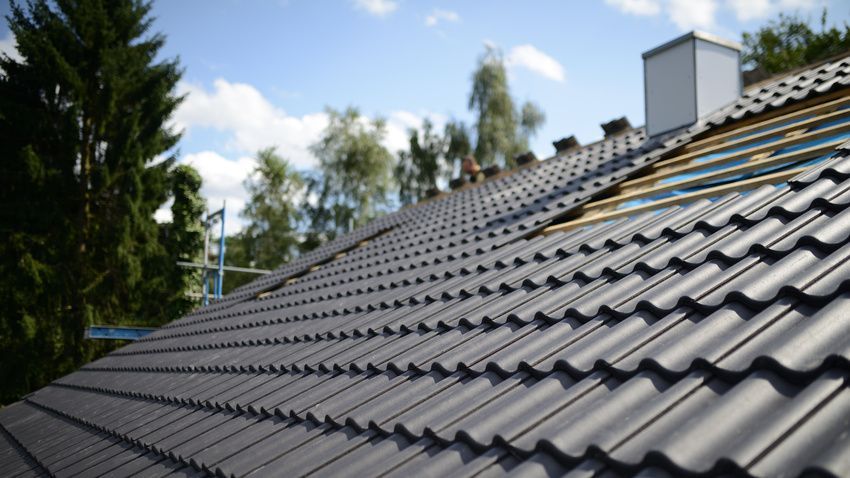
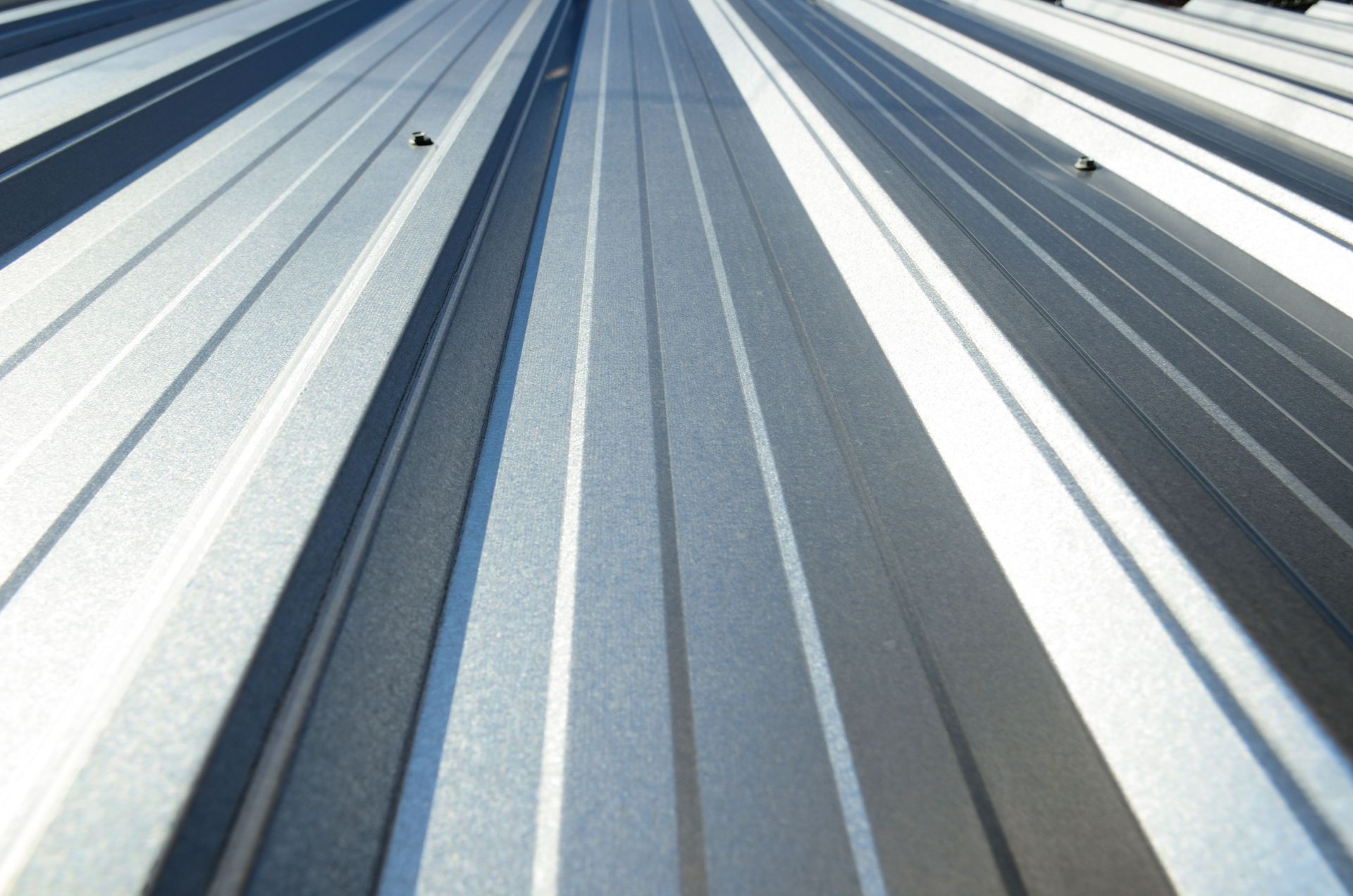
Not all shingles are created equal. Basic three-tab asphalt shingles are thinner and lighter, which makes them more affordable but also more vulnerable to wind and weathering. Architectural or dimensional shingles are thicker, heavier, and often designed to last longer and resist higher winds. Premium shingles may include added features like impact resistance or algae-resistant granules. Beyond asphalt, materials such as metal, tile, and slate can last significantly longer, though they come with higher upfront costs. The underlayment, flashing, and other components beneath and around the shingles matter as well. Choosing quality materials suited to your climate gives your roof a stronger foundation for a long service life. A well-matched roofing system also tends to hold its appearance longer, which can help protect curb appeal and resale value.
Installation Workmanship
Even the best materials can fail early if they aren't installed correctly. Improper nailing, poor shingle alignment, missing or incorrectly installed flashing, and inadequate starter strips can all lead to leaks, wind damage, and premature wear. Shortcuts during installation may not show up right away, but problems often appear within a few years. Proper installation also affects warranty coverage, since many manufacturers require their products to be installed according to specific guidelines. Our roofers follow manufacturer instructions and proven techniques to make sure every component is installed correctly, which helps the roof perform the way it was designed to from day one and for decades after.
Local Climate and Weather Exposure
Weather plays a major role in how quickly a roof ages. Intense sun and high heat break down the oils in asphalt shingles, causing them to dry out, curl, and lose protective granules. Heavy rain and humidity can encourage moss, algae, and wood rot. In colder regions, snow buildup, ice dams, and freeze-thaw cycles can force water under shingles and damage the roof deck. Hail can bruise or crack shingles, while strong winds can lift edges and tear shingles away entirely. Roofs in areas with harsh or rapidly changing weather often have shorter lifespans than those in milder climates. Regular professional inspections after major storms help catch damage early, before small problems turn into costly leaks.
Attic Ventilation and Insulation
What happens beneath your roof can be just as important as what happens on top of it. Poor attic ventilation allows heat and moisture to build up, which can bake shingles from below in summer and cause condensation in winter. Over time, trapped moisture can lead to mold growth, rotting roof decking, and warped framing. Inadequate insulation can also contribute to ice dams in cold climates, as warm air escapes and melts snow on the roof. A balanced ventilation system with proper intake and exhaust vents helps regulate attic temperatures and moisture levels. Our roofers evaluate attic ventilation during inspections and replacements, since correcting airflow problems can add years to a roof's life.
Roof Slope and Design
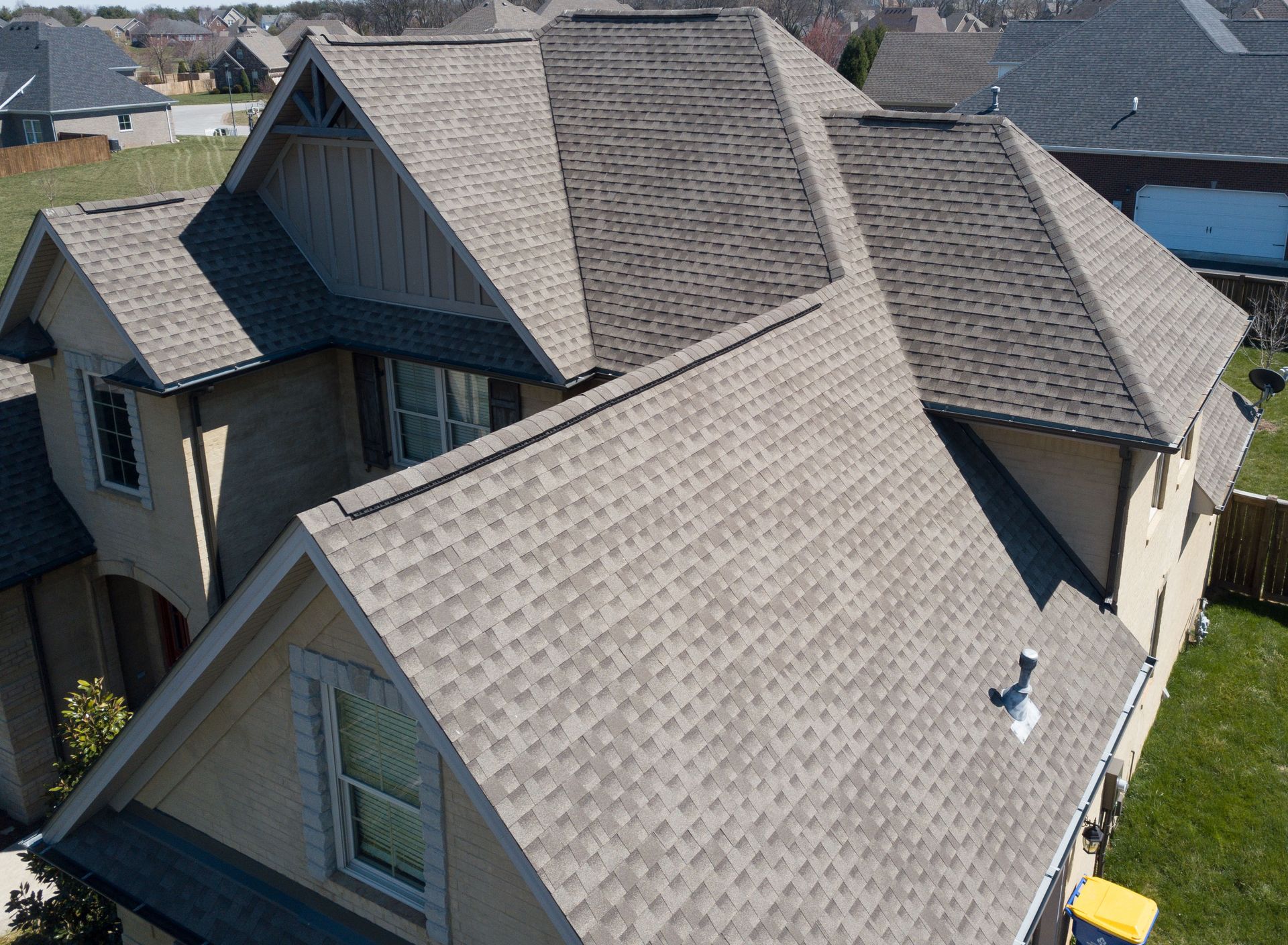
The shape and pitch of a roof affect how well it sheds water, snow, and debris. Steeper roofs generally drain more quickly, reducing the chance of water sitting on the surface. Low-slope sections are more prone to pooling water and may require different materials or installation methods. Complex roof designs with multiple valleys, dormers, skylights, and chimneys create more seams and transitions where leaks can develop. These areas need careful flashing and regular attention to stay watertight. Homes with simpler roof designs often experience fewer problems, while more complex designs benefit from closer monitoring and professional maintenance. Our roofers pay extra attention to valleys, dormers, and skylights during inspections, since these transition points are often the first places where wear and leaks appear.
Tree Coverage and Debris
Trees add beauty and shade to a property, but overhanging branches can shorten a roof's lifespan. Limbs that rub against shingles can wear away granules, and falling branches can cause punctures or cracks during storms. Leaves, pine needles, and twigs collect in valleys and gutters, trapping moisture against the roof and encouraging moss and algae growth. Clogged gutters can also cause water to back up under shingles and into the fascia and roof deck. Keeping trees trimmed and gutters clear reduces these risks and helps water flow off the roof as intended. Shaded roofs may also stay damp longer, so they often need more frequent inspections, particularly in the fall when leaves pile up quickly.
Maintenance and Timely Repairs
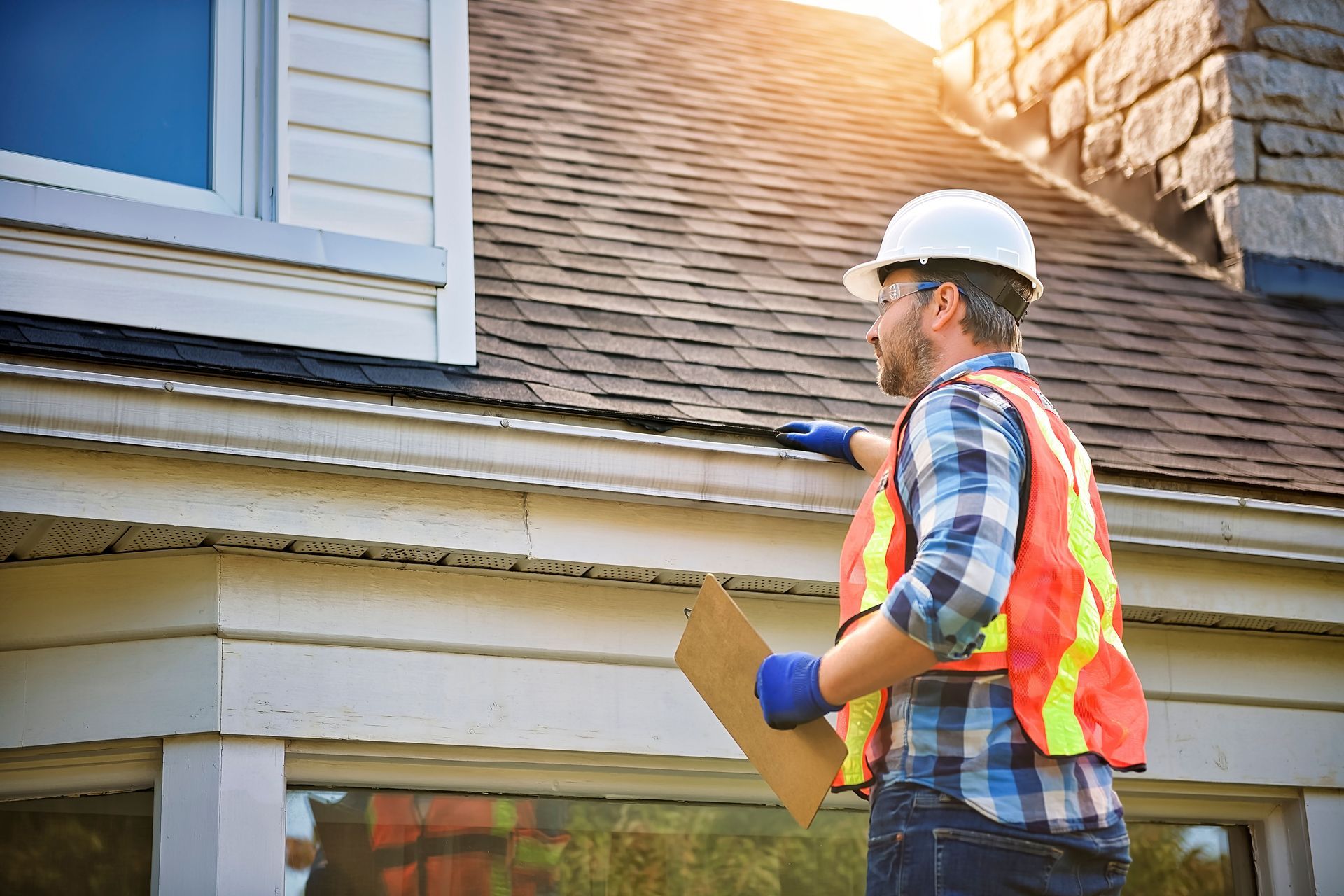
A roof that receives regular care will almost always outlast one that's ignored. Small issues like a few missing shingles, cracked pipe boots, or loose flashing may not seem urgent, but they can allow water to seep in and damage the decking, insulation, and interior ceilings. Left alone, minor leaks often grow into major repairs. Scheduling professional inspections at least once a year and after severe storms helps catch these problems early. During an inspection, our roofers check for damaged shingles, worn sealants, granule loss, flashing issues, and signs of moisture in the attic. Addressing small repairs promptly is one of the most effective ways to keep a roof performing well for its full expected lifespan.
Roof Color and Sun Exposure
The color of your shingles and the direction your roof faces can also influence how quickly it ages. Darker shingles absorb more heat, which can raise roof surface temperatures significantly and speed up the breakdown of asphalt. Lighter-colored or reflective shingles stay cooler and may help reduce heat-related wear while also lowering cooling costs. South- and west-facing roof sections typically receive the most direct sunlight, so they often show signs of aging sooner than other areas. Cool roof options and proper ventilation can help counteract the effects of intense sun exposure, especially in warmer regions. Considering color and sun exposure during a replacement can help your new roof last longer and keep your home more comfortable.
At Rainguard Roofing LLC, we understand that every roof ages differently, and we're here to help you get the most life out of yours. Our experienced roofers provide thorough inspections, dependable repairs, and quality roof replacements using durable materials and proven installation methods. We take the time to evaluate the factors that affect your roof, from ventilation and flashing to storm damage and wear, so you can make informed decisions about maintenance and replacement. Whether your roof is showing its age or you simply want peace of mind, our
roofers are ready to help protect your home. Contact Rainguard Roofing LLC today to schedule your roof inspection. We look forward to working with you soon.