March 31, 2026
Roofing materials play a crucial role in determining the energy efficiency of a home. Various factors, such as material type, color, and installation, can significantly impact energy consumption. Working with a qualified metal roofer can also influence how well a system performs over time.
Understanding the Role of Roof Insulation
Roof insulation serves as a critical component in maintaining a home's energy efficiency. Proper insulation minimizes heat transfer between the interior and exterior, ensuring that your home stays warm in the winter and cool in the summer. A knowledgeable metal roofer can help ensure insulation works effectively with the roofing system. This regulation of temperature can significantly cut down on the need for artificial heating and cooling, leading to notable energy savings. Moreover, a well-insulated roof can enhance the comfort of living spaces by maintaining consistent indoor temperatures.
Heat loss in a home is a common issue that can lead to increased energy consumption. Effective insulation reduces heat transfer through the roof, decreasing the demand on heating and cooling systems. A metal roofer can also help ensure insulation and roofing components work together properly. Understanding and selecting the right insulation for your climate and home type is imperative for maximizing energy performance.
Exploring Reflective Roofing Materials
Reflective roofing materials are designed to reflect more sunlight and absorb less heat than standard roofing materials. This property helps reduce the roof surface temperature significantly, which in turn lowers the heat transferred into the building. A metal roofer often installs reflective systems that enhance these benefits. As a result, homes with reflective roofing can experience reduced cooling needs, especially during hot summers, leading to improved energy efficiency. An appropriately installed reflective roof can improve the overall energy performance of a home. In regions with intense sunlight, the benefits of reflective roofs become even more pronounced.
The high solar reflectance provided by cool roofing materials can have a substantial impact on a homeowner's energy use. By reducing the need to cool a home artificially, homeowners can experience a decrease in air conditioning demand. A metal roofer can help select materials that maximize reflectivity and durability. This reduction is particularly beneficial in hotter climates, where cooling needs can be a significant part of maintaining comfort. In some cases, improved efficiency can be noticeable throughout the year, making reflective roofs an attractive option. Furthermore, cooler roof surfaces contribute to the mitigation of urban heat island effects, improving overall community comfort.
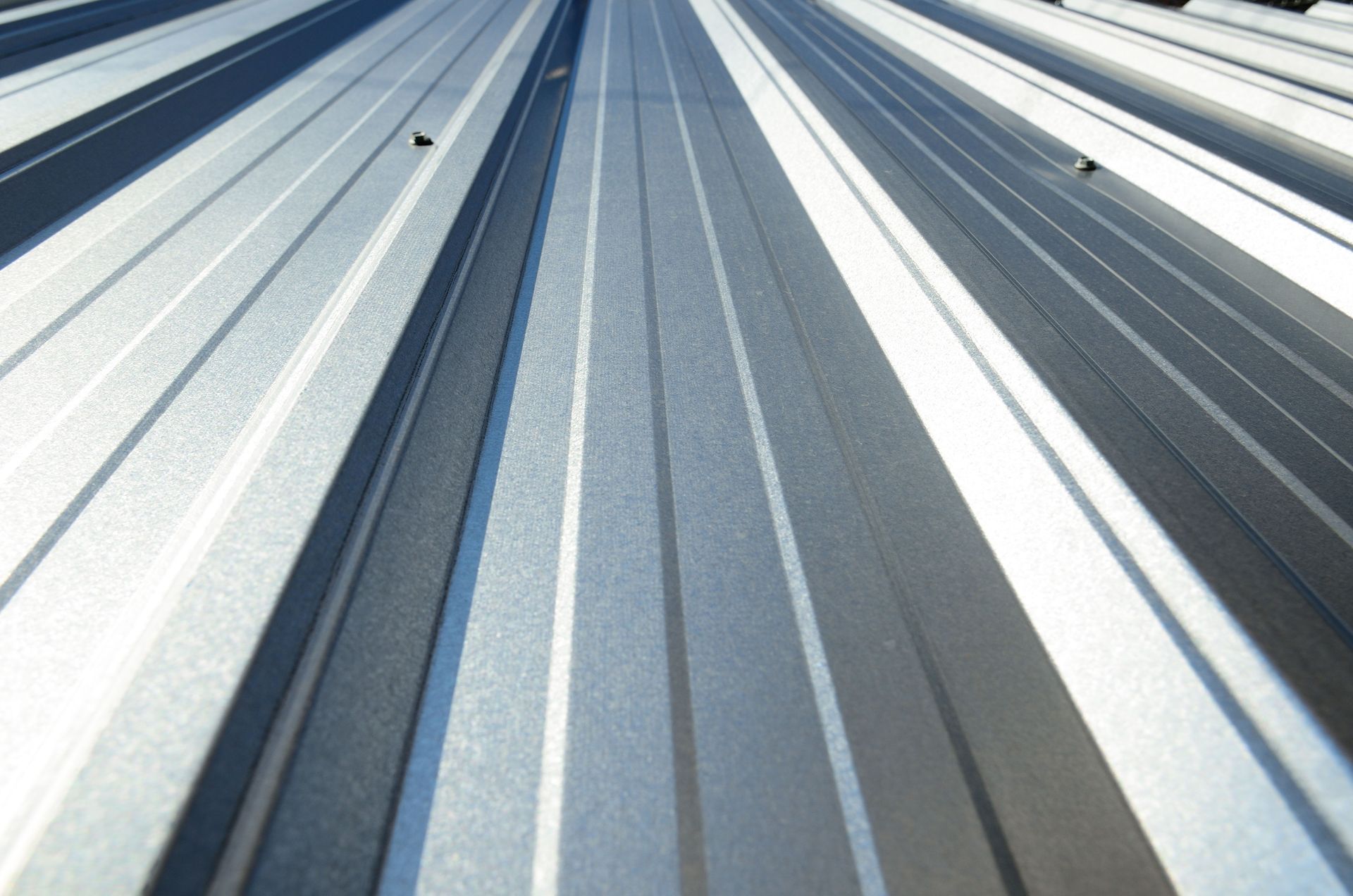
Several popular options are available for those interested in reflective roofing materials, ranging from metal and tiles to specialized reflective coatings. Metal roofs, in particular, are known for their high reflectivity and longevity, coupled with the added benefit of saving homeowners up to 40% on energy costs annually, according to Insider. A metal roofer can guide homeowners through these options to find the best fit. Other choices, such as white reflective coatings or specially formulated tiles, provide additional solutions to suit aesthetic and practical needs. When choosing a reflective roof, it's essential to consider the specific climate conditions and how the roofing material will perform over time. The long-term benefits, both in terms of energy savings and environmental impact, make reflective roofing an attractive choice for many.
Evaluating the Impact of Roof Color
The color of your roof plays a significant role in thermal absorption and, consequently, energy efficiency. Darker roofs tend to absorb more heat than lighter ones, leading to higher temperatures within the home. A metal roofer can help homeowners select colors that align with energy goals. This increased heat absorption can elevate the demand for air conditioning during warmer months. Conversely, lighter-colored roofs reflect more sunlight, keeping the interior cooler and reducing reliance on air conditioning. By carefully choosing the color of a roof, homeowners can influence their home's energy performance, particularly in areas experiencing extreme temperatures.
The dark versus light roof color debate is largely driven by climate needs. In cooler climates, darker roofs can be beneficial, as they help retain heat within the home, reducing heating requirements. A metal roofer may recommend darker finishes in these regions. However, in warmer or more temperate areas where cooling is a priority, lighter roofs are advantageous for their heat-reflective properties. The key is selecting a roof color that aligns with the specific climatic needs and energy objectives of the homeowner. While aesthetic preferences are important, the practical implications for energy consumption and comfort should be given due consideration.
Considering Sustainable Roofing Materials
Sustainable roofing materials are gaining attention for their ability to enhance a home's energy performance while minimizing environmental impact. These materials are often made from renewable resources or contain recycled content, promoting both efficiency and sustainability. A metal roofer frequently works with recyclable materials that support these goals. Examples of sustainable roofing options include green roofs, cool roofs, and recycled metal shingles. Green roofs, which incorporate vegetation, provide insulation, reduce rainwater runoff, and improve urban air quality. The choice of sustainable roofing directly contributes to reducing a home's carbon footprint and promoting environmental health.
The long-term benefits of green roofing solutions extend beyond immediate energy improvements. Over time, green roofs provide increased insulation, leading to better temperature regulation. A metal roofer may also integrate complementary materials to enhance durability. They also help prolong the lifespan of roofing systems by providing a protective layer that absorbs sunlight and reduces thermal stress. Additionally, sustainable roofing materials can enhance property value by demonstrating a commitment to environmental responsibility. Homeowners and builders are increasingly recognizing the dual benefits of efficiency and environmental protection.
Understanding Ventilation’s Role in Energy Efficiency
Effective roof ventilation is essential for maintaining energy efficiency in a home. Proper ventilation facilitates air circulation under the roof structure, helping regulate temperature and moisture levels. A metal roofer can design ventilation systems that support long-term performance. Without appropriate ventilation, homes can experience heat buildup in the attic during the summer and moisture-related issues during the winter. This climate regulation reduces strain on heating and cooling systems, promoting efficient operation. Understanding and implementing a well-designed ventilation system can significantly influence a home's energy demand.
The lack of proper ventilation can have several negative consequences for homeowners, particularly concerning energy use and structural integrity. Heat buildup in attics can lead to increased cooling demand, while excess moisture can cause insulation degradation and structural damage. A metal roofer can identify and correct these issues during installation or upgrades. Furthermore, poor ventilation creates an environment conducive to mold growth, affecting indoor air quality and health. Addressing these issues with appropriate ventilation solutions is essential for maintaining a safe and efficient home.
Advanced ventilation techniques have emerged to meet the diverse challenges of different climates and home designs. Ridge and soffit vents, powered attic ventilators, and cupolas are examples of modern ventilation options that enhance airflow while protecting structural elements.
The choice of roofing material has significant implications for a home's energy performance. From enhancing insulation and reflectivity to optimizing color and ventilation, each component contributes to overall efficiency. A metal roofer plays an important role in ensuring all these elements work together effectively. As technology advances, homeowners have more options than ever to create energy-efficient homes, offering both environmental benefits and improved comfort. By understanding the dynamics of roofing materials, individuals can make informed decisions that promote sustainable living and energy conservation. For all of your roofing needs, contact Rainguard Roofing LLC today!