November 14, 2026
Every home relies on its overhead defense to endure shifting seasons, heavy rainfall, and intense summer sun. Because an overhead covering endures wear gradually, many homeowners overlook early indicators of degradation until active water intrusion occurs. Taking time to inspect your home from the ground and attic reveals critical clues before a small failure escalates into extensive structural trouble. Vigilant observation serves as an indispensable tool for maintaining the long-term safety and value of your primary residence. Knowing how materials age empowers property owners to make sensible, timely decisions regarding repairs and complete restorations.
A residential covering endures continuous stress throughout its operating lifespan. Sunlight slowly dries out petroleum-based asphalt, seasonal freezes cause contraction, and persistent wind loosens mechanical fasteners. While simple maintenance can address isolated issues, every installation eventually reaches a state where total restoration becomes necessary. Engaging a qualified roofing installer provides the objective assessment needed to separate minor surface blemishes from widespread decking degradation.
Identifying External Indicators of Shingle Deterioration
External surfaces bear the brunt of severe atmospheric exposure. Inspecting the condition of your shingles from ground level or a safe vantage point offers immediate insight into the physical health of your home.
Observing Curled and Buckled Shingle Edges
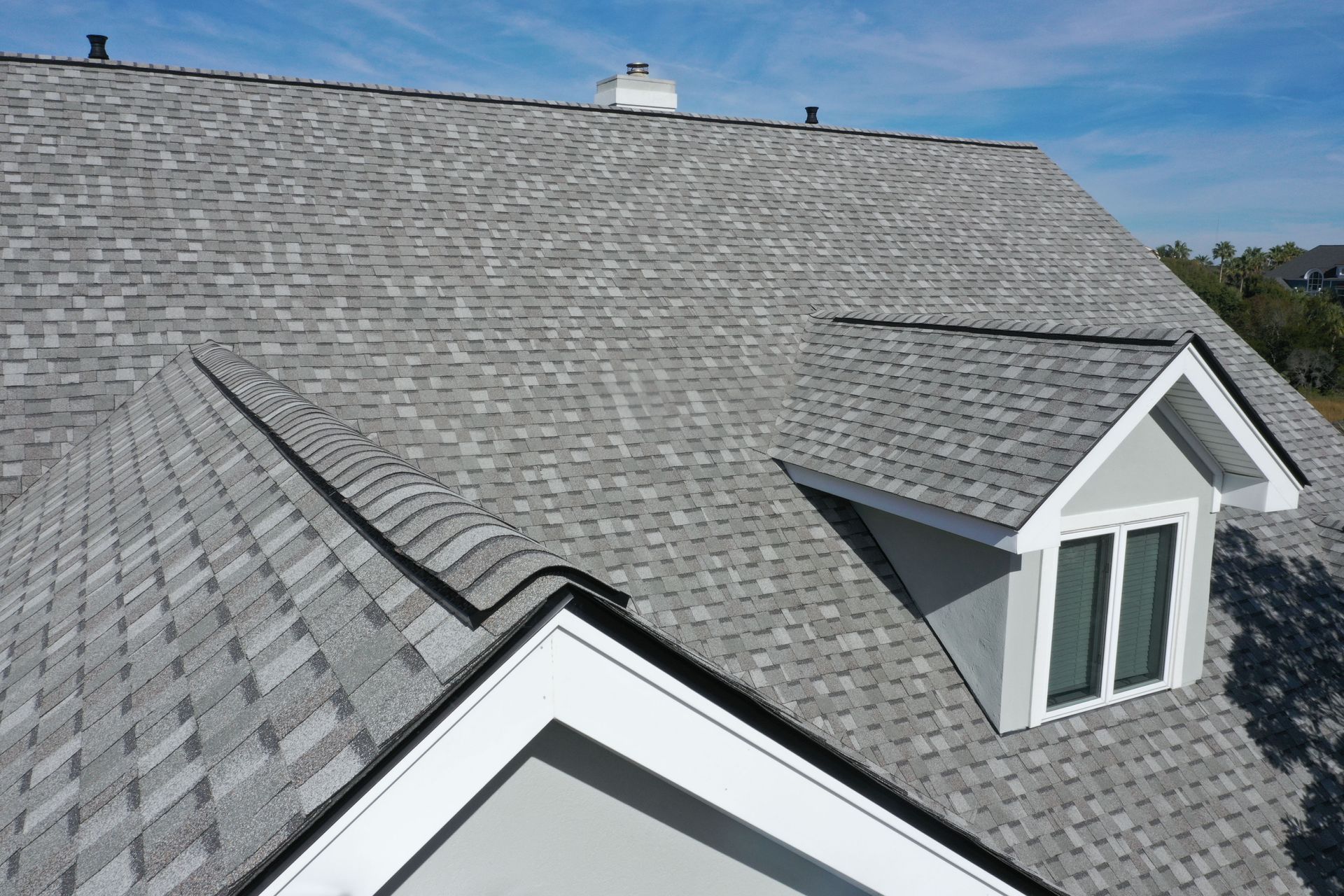
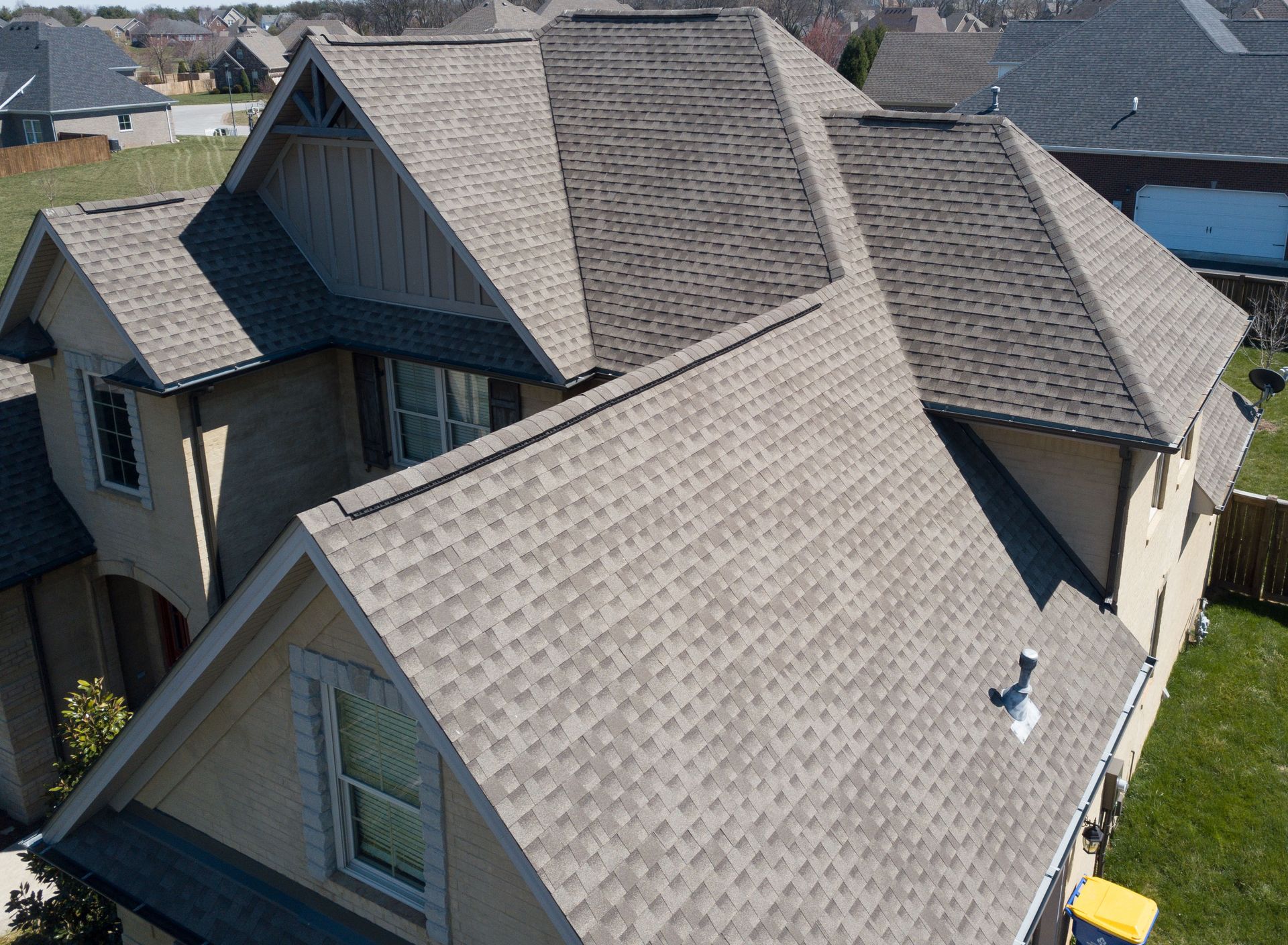
When shingles approach the end of their functional cycle, the edges frequently begin to curl upward or cup downward. This distortion indicates that the asphalt backing has lost essential flexibility due to years of solar heat exposure. Once shingles lose their flat profile, they catch crosswinds easily, creating pathways for wind-driven moisture to slip beneath the protective barrier. A skilled roofing installer recognizes that widespread curling rarely responds to localized patch repairs, pointing toward total material failure.
Tracking Heavy Granule Accumulation in Downspouts
Protective mineral granules shield inner asphalt compounds from harmful ultraviolet light while providing fire resistance. As shingles age and break down, these fine granules shed rapidly, washing down the sloped plane and settling in drainage channels. While minimal granule shedding occurs immediately following initial installation, discovering dense sediment resembling coarse sand in downspouts signals advanced erosion. When bald patches emerge across the shingle face, sunlight accelerates asphalt cracking, which prompts an experienced roofing installer to recommend a comprehensive replacement.
Spotting Cracked and Absent Surface Pieces
Vigorous wind events and shifting ambient temperatures eventually cause dried shingles to fracture cleanly across their tabs. Missing pieces leave vulnerable underlayment exposed directly to rainfall and physical debris. While replacing a single shingle remains common after moderate weather, widespread missing sections indicate degraded adhesion across the entire surface. If multiple slopes display fractured tabs or gaps, contacting an established roofing installer helps determine whether structural decking underneath has already absorbed runoff.
Uncovering Moisture Infiltration Inside the Attic
External evaluations tell only half the story during a residential inspection. Exploring internal attic spaces and top-floor ceilings often reveals hidden moisture long before surface shingles exhibit catastrophic physical collapse.
Examining Roof Decking for Dark Stains
The underside of your roof sheathing provides unambiguous evidence regarding overall water resistance. During daylight hours, examine the rafters, plywood sheathing, and truss connections with a flashlight. Dark discolored rings, streaks, or persistent dampness indicate moisture penetration through older fastener penetrations or degraded seams. Even if moisture appears dry to the touch on a sunny afternoon, water staining reveals recurring points of failure that require thorough inspection.
Detecting Soft Spots and Structural Sagging
A structurally sound system maintains a rigid, uniform plane across all rafters. When chronic leaks remain unchecked, plywood decking rots, causing spongy dips and noticeable sagging across rafter spans. Depressions visible along the ridgeline or valley lines often stem from prolonged water absorption that has compromised the wooden decking. In these scenarios, a reputable roofing installer must strip back all layers to replace rotted carpentry before placing new architectural materials.
Evaluating Active Attic Ventilation and Condensation
Improper ventilation traps humid household air beneath the roof deck, creating a moist environment that rots framing from within. During cold winter months, warm indoor air condensates against freezing roof sheathing, leading to mold development and rusted nail shanks. When rusty fasteners back out of damp plywood, they leave open holes through shingles above. A trained roofing installer evaluates attic moisture levels alongside intake soffits and ridge vents to guarantee long-term air circulation.
Assessing Flashing Vulnerabilities and Penetration Points
Roof penetrations represent inherently sensitive junctions across any architectural layout. Flashing details around vertical surfaces require careful monitoring to preserve watertight integrity.
Inspecting Chimney and Sidewall Flashing
Metal flashing sections surround chimneys, dormers, and vertical sidewalls to deflect rushing water away from angled joints. Over time, building settlement and thermal movement pull flashing strips away from brick mortar or siding. Cracked sealant beads and rusted valley metals allow runoff to pool along seams instead of flowing freely into gutters. When multiple flashing components deteriorate simultaneously alongside older shingles, total project planning proves more practical than piecemeal patching.
Checking Plumbing Vents and Roof Penetrations
Neoprene pipe collars and lead vent boots seal mechanical penetrations against weather intrusion. Sunlight and ozone exposure dry out flexible rubber gaskets, causing deep splits that channel rain directly along plumbing lines. If vent seals crack while surrounding shingles show advanced weathering, the protective envelope has reached broad functional exhaustion. Having a reliable roofing installer review all roof penetrations ensures flashing weaknesses do not undermine primary living spaces below.
Understanding the Timing of Proactive Replacement
Delaying necessary home improvements often turns a manageable home care project into an urgent property crisis. Scheduling structural evaluations before active ceiling drips occur protects interior investments and preserves domestic peace of mind.
Comparing Emergency Interventions Against Planned Overhauls
Many property owners defer exterior evaluations until sudden leaks ruin sheetrock, ruin attic insulation, and damage hardwood floors. According to This Old House's 2026 roofing survey, nearly 57% of homeowners described their roof replacement as urgent or an outright emergency, whereas only seven percent described it as preventative. Waiting for structural vulnerabilities to manifest as living room drips significantly raises total restoration demands by introducing interior wall repairs, timber mold remediation, and ruined personal property to the overall project scope.
Weighing Age Milestones Against Modern Performance
Standard architectural shingles generally offer dependable service for twenty to twenty-five years, depending upon regional weather patterns and attic ventilation efficiency. If your home's exterior covering was installed over two decades ago, internal components may be nearing failure even if ground-level views look reasonably uniform. Working with a dedicated
roofing installer allows homeowners to assess remaining service life systematically, ensuring a smooth transition long before severe weather causes widespread structural disruption.
Preparing for a Seamless Roof Installation
Recognizing early warning signs provides property owners with the clear advantage of time and preparation. Paying attention to curling tabs, granule loss, rusted penetrations, and subtle attic dampness enables proactive decisions that safeguard structural integrity. Taking a proactive stance prevents the disruption and unexpected expense associated with emergency interior water intrusion. Routine inspections and swift responses ensure that your overhead protection remains resilient through every season. Protecting your living space starts with addressing visible wear long before damp weather turns minor vulnerabilities into major structural liabilities. When you notice persistent signs of aging or degradation across your home's exterior slopes, scheduling a comprehensive inspection with Rainguard Roofing LLC delivers the clarity and peace of mind you need to move forward securely.