November 24, 2026
Summer sunshine can make the space beneath a roof uncomfortably hot. That heat does not necessarily stay in the attic. It can move through the ceiling, make upstairs rooms harder to cool, and put added pressure on air conditioning. Homeowners may notice warmer rooms or an HVAC system running longer.
Reducing attic heat takes more than choosing a new roof color. Roofing materials, insulation, air sealing, and ventilation work together. Understanding how each part contributes helps homeowners make sensible improvements instead of investing in a single product that may not address the real problem.
Understand How Heat Builds Up Beneath the Roof
Sunlight warms the outer roofing surface. Some of that heat passes into the roof deck, which then transfers heat into the attic. In a vented attic, hot air may escape through properly designed openings, but heat can still move toward the living space. Gaps around ceiling penetrations and inadequate insulation make that transfer more noticeable.
A professional inspection can identify whether the biggest concern is the roofing material, damaged ventilation components, or conditions inside the attic. These are different problems with different solutions. For example, adding a reflective roof will not seal air leaks around attic access panels. Likewise, installing a fan may accomplish little if the attic already has adequate ventilation but poorly insulated ceilings.
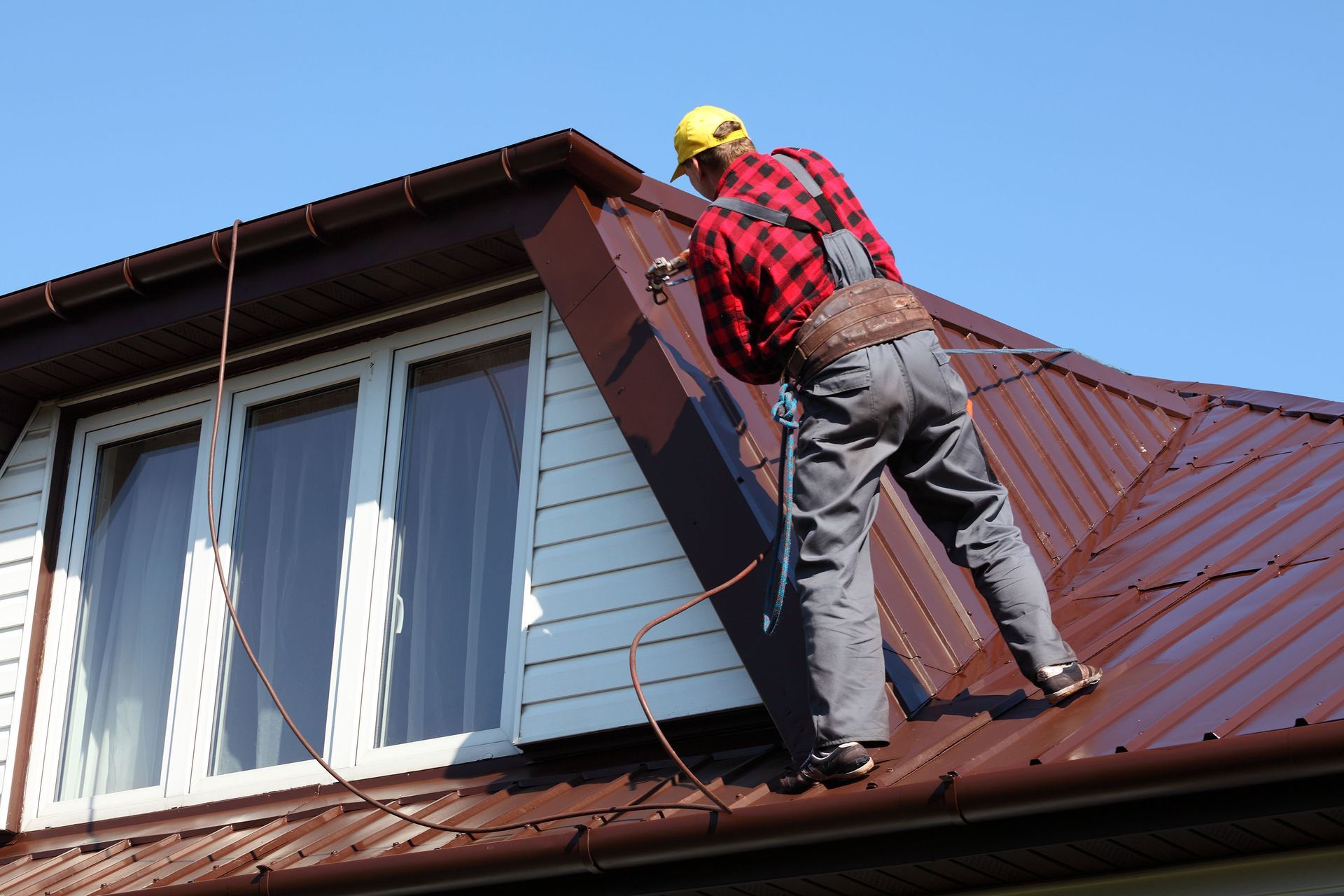
A metal roofing service can evaluate the roof assembly as a whole and explain which changes may help limit summer heat gain.
Choose Roofing Materials That Reflect More Sunlight
Roof surfaces do not all react to sunlight in the same way. Dark, highly absorbent materials generally become hotter than surfaces designed to reflect solar energy. Reflective roofing, sometimes called cool roofing, sends more sunlight away from the building and can reduce the heat transferred through the roof deck.
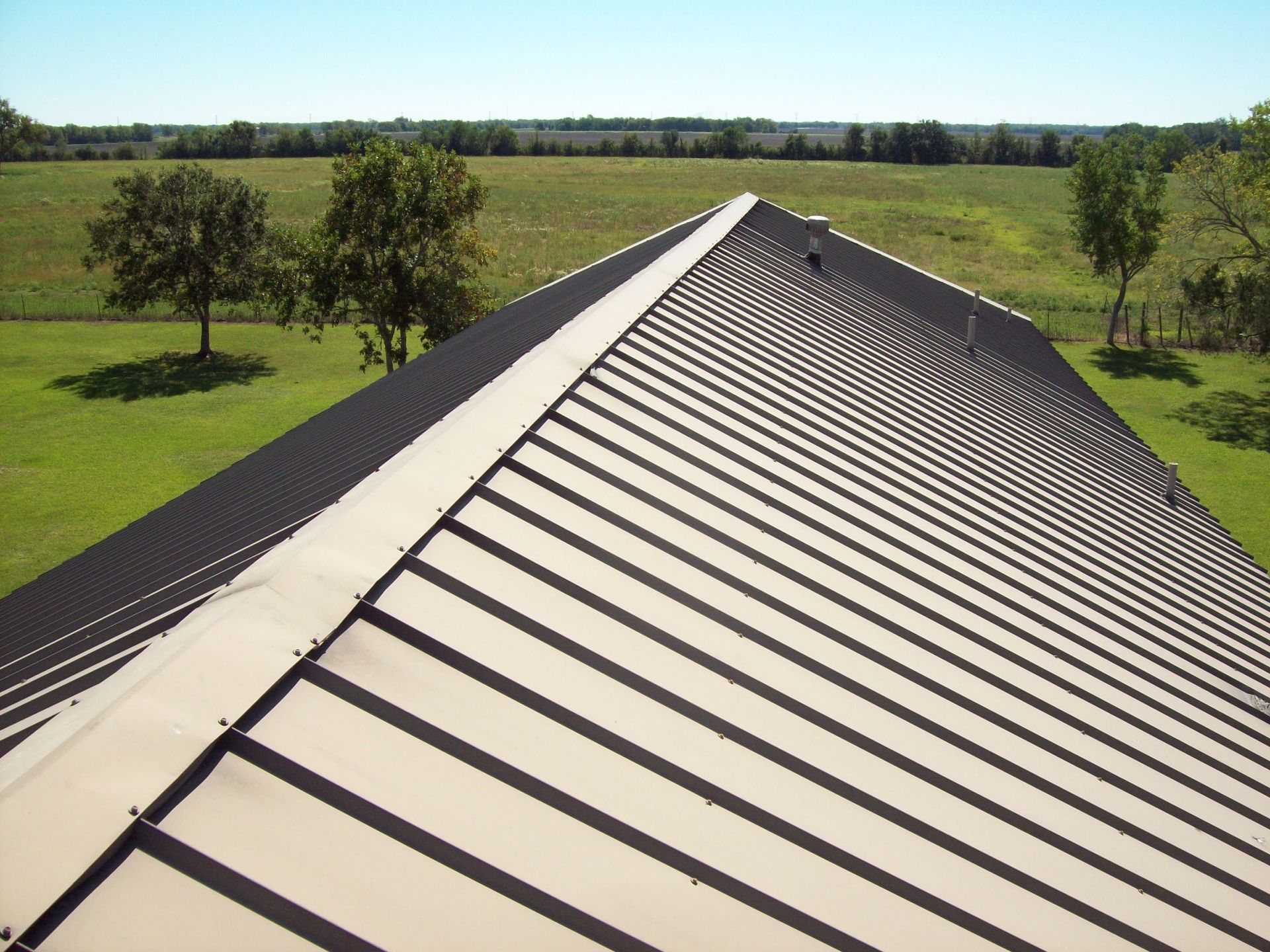
Metal is one option, especially when it has a finish engineered for solar reflectance and thermal emittance. These properties describe how well a surface reflects incoming solar energy and releases the heat it absorbs. They matter more than assuming that every metal panel performs identically.
According to Insider, metal roofs can save homeowners up to 40% on energy costs annually. That figure represents a potential upper-end saving, not a guaranteed result for every house. Climate, roof finish, insulation, cooling habits, and the existing roof all affect actual performance. A metal roofing service can help compare products using documented performance ratings rather than appearance alone.
Match Roof Colors and Coatings to the Home
Light-colored roofs often reflect more sunlight than darker ones, but color is not the entire story. Manufacturers also offer specially formulated pigments that improve reflectance in some darker finishes. This gives homeowners options when they want energy-conscious roofing without changing the exterior style dramatically.
Factory-applied finishes may provide predictable performance and durability when installed according to product specifications. Not every coating is suitable for every roof, however. Some existing surfaces require preparation, and an incompatible application can create maintenance or warranty concerns.
Before choosing a finish, ask about its solar reflectance, expected upkeep, and suitability for the home's roof slope and climate. An experienced roofing contractor should also explain how seams, fasteners, and flashing will be handled, because a reflective surface is only one part of a weather-resistant installation.
Improve Attic Insulation and Air Sealing
Even a highly reflective roof cannot compensate for every weakness beneath it. Insulation slows heat transfer between the attic and conditioned rooms, while air sealing reduces uncontrolled airflow through gaps in the ceiling. Both help the cooling system maintain a steadier indoor temperature. A metal roofing service can coordinate with an insulation specialist when a roof project reveals areas that need attention beneath the deck.
Common leakage points include attic hatches and openings around wiring, plumbing, and recessed fixtures. These areas need materials appropriate for their location, particularly around heat-producing equipment. Any insulation changes should also preserve required clearances and ventilation paths.
The right approach depends on how the attic is built. A traditional vented attic often has insulation at the ceiling level. A conditioned attic may instead have insulation along the roofline and follow a different moisture-control strategy. Before scheduling roof work, it is worth asking whether an attic assessment should be coordinated with a qualified insulation or home-performance professional.
Keep Attic Ventilation Balanced and Unobstructed
In many vented attics, lower intake vents and higher exhaust vents help air move through the space. Soffit vents can bring outdoor air into the attic, while ridge or other high vents provide an exit. The openings must be correctly sized and positioned for the particular roof design.
More ventilation is not automatically better. Adding an exhaust fan without adequate intake can draw conditioned air from the house through ceiling leaks. Blocked soffits, crushed baffles, or poorly matched vent types can also limit the performance of an otherwise sound system.
A roofing inspection can reveal damaged vents and installation details that interfere with airflow. When considering a metal roofing service, homeowners should ask how the planned roof will preserve the existing ventilation strategy or improve it where necessary. Insulation, moisture control, and ventilation must be considered together rather than as separate upgrades.
Consider Radiant Barriers Where They Make Sense
A radiant barrier is a reflective material typically installed in an attic to reduce radiant heat transfer from a hot roof surface. It can be useful in certain warm-climate homes, particularly where cooling demand is high. Its value depends on placement, the surrounding air space, and the rest of the attic assembly.
Radiant barriers are not substitutes for conventional insulation. Insulation slows heat flow through materials, while radiant barriers primarily address radiant heat. Placement matters as well: dust buildup can reduce the performance of some installations, and incorrect use may create unwanted moisture issues.
Homeowners should seek an evaluation before adding another layer to the attic. A contractor can help determine whether a radiant barrier complements planned roofing work or whether sealing air leaks and improving insulation would be more useful first.
Maintain the Roof and Look for Changes Over Time
Energy performance also depends on keeping the roof in sound condition. Damaged flashing, lifted panels, missing fasteners, and leaks can affect the roof assembly and allow moisture to reach insulation. Wet or displaced insulation may no longer perform as intended, even when the outer roofing material looks intact from the ground. A metal roofing service can check exposed roofing components and identify conditions that need repair.
Keep gutters and drainage paths clear so water moves away from vulnerable areas. After severe weather, check for visible damage from a safe location and arrange an inspection when needed. Do not climb onto a hot or steep roof to investigate a problem.
Routine maintenance is also a chance to ask whether vents remain unobstructed and whether roof coatings need attention. A qualified contractor can recommend repairs that protect the system's durability as well as its thermal performance.
Make Summer Comfort a Whole-Roof Priority
A cooler attic usually results from several well-chosen improvements, not a single product. Reflective materials can limit solar heat gain, while air sealing, insulation, and properly designed ventilation help manage the heat that remains. The best combination depends on the home's construction and local conditions.
Homeowners who want to explore a
metal roofing service can contact Rainguard Roofing LLC to discuss roof condition, suitable materials, and installation options. A careful assessment helps identify practical improvements that support indoor comfort and dependable roof performance through the summer months.