May 11, 2026
Choosing the right roofing material plays a major role in protecting your home, improving energy efficiency, and maintaining long-term property value. Homeowners have many options available, and each type of roofing material comes with its own advantages and limitations that should be carefully evaluated before making a decision. The right choice of roofing can also influence curb appeal and overall maintenance costs over time.
Climate, budget, and architectural style all influence which roofing option is most appropriate. A durable roofing system not only shields a home from weather conditions but also supports insulation and comfort throughout the year. With so many innovations in modern roofing technology, it is important to understand how materials compare in terms of lifespan, cost, and environmental impact.
According to Ruby Home, an estimated 75% of roofs are constructed with asphalt shingles, showing how widely this roofing option is used across residential properties. This popularity highlights the importance of understanding how different roofing materials perform and why certain choices dominate the market. In this guide, we break down the most common roofing materials to help homeowners make informed decisions.
1. Asphalt Shingles
1.1 Overview of Asphalt Roofing
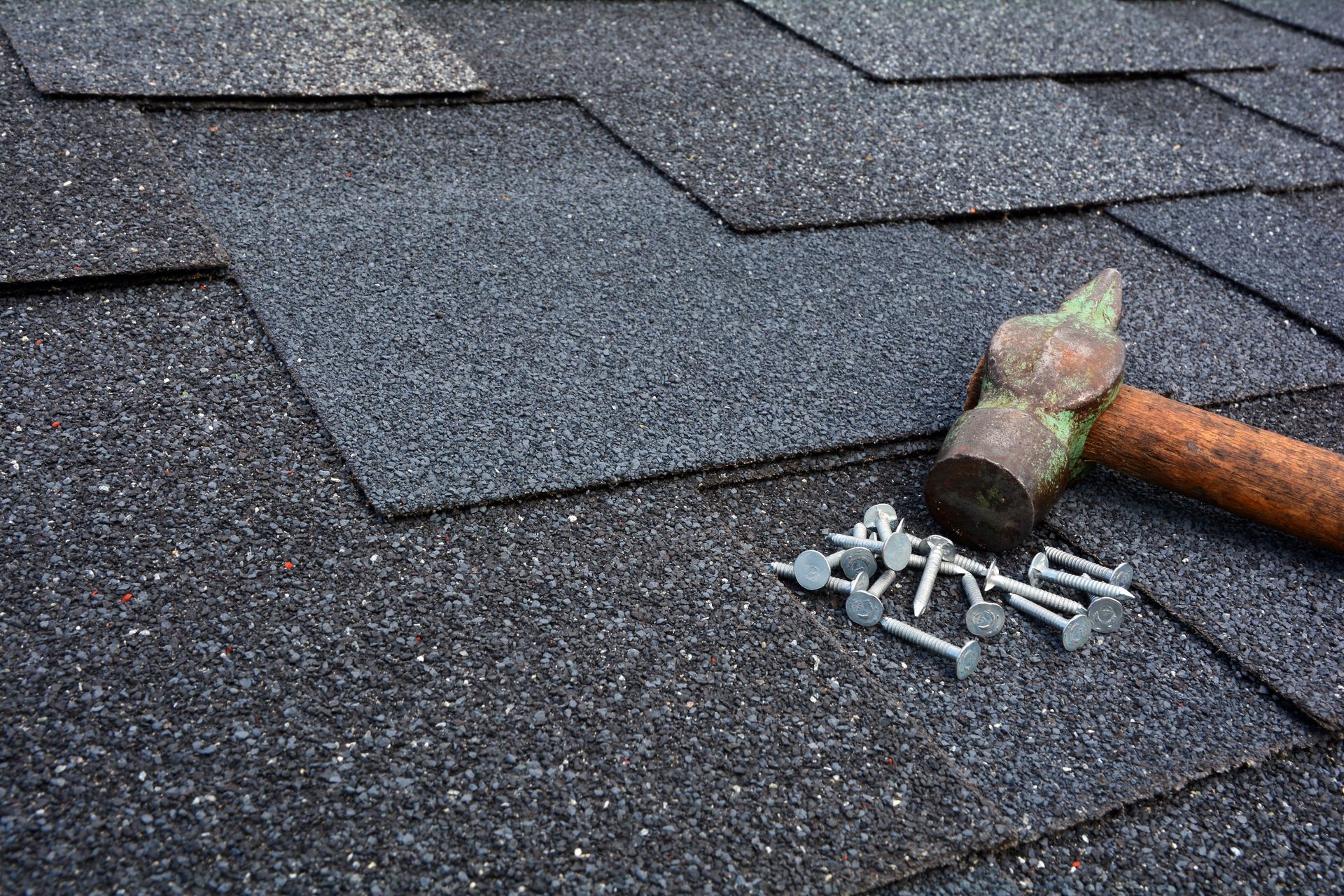
Asphalt shingles are the most widely used roofing material due to their affordability and ease of installation. This type of roofing is made from fiberglass and asphalt, which creates a flexible yet durable surface suitable for many home styles. Asphalt roofing is also lightweight, which makes it compatible with most residential structures without requiring major modifications.
One of the main advantages of asphalt roofing is its versatility in design and color. Homeowners can choose styles that mimic more expensive materials, such as slate or wood, while keeping costs lower. This makes asphalt roofing a practical and attractive solution for many households looking to balance appearance and budget.
Despite its popularity, asphalt roofing does have limitations in extreme weather conditions. Over time, prolonged exposure to heat, wind, or freezing temperatures can shorten its lifespan. Regular inspection and maintenance are essential to ensure the roofing system remains in good condition and continues performing effectively.
1.2 Cost and Performance
Asphalt roofing is considered one of the most affordable options available, making it especially appealing for budget-conscious homeowners. The installation process is also straightforward, which helps reduce labor costs compared to more complex roofing systems. This combination of low material and installation expenses contributes to its widespread use.
However, while asphalt roofing has a lower upfront cost, it may require replacement sooner than other materials. This means homeowners should consider long-term expenses when evaluating roofing options. Even so, it remains a practical solution for those seeking immediate affordability and reliable performance.
Different grades of asphalt roofing also allow for flexibility in pricing and durability. Higher-quality shingles can improve lifespan and resistance to weather damage, offering a better long-term investment for homeowners willing to spend more upfront.
1.3 Durability and Maintenance
Asphalt roofing typically lasts between 15 and 30 years depending on environmental conditions and maintenance practices. While it is not the most durable roofing option available, improvements in manufacturing have enhanced its resistance to wind, moisture, and UV exposure.
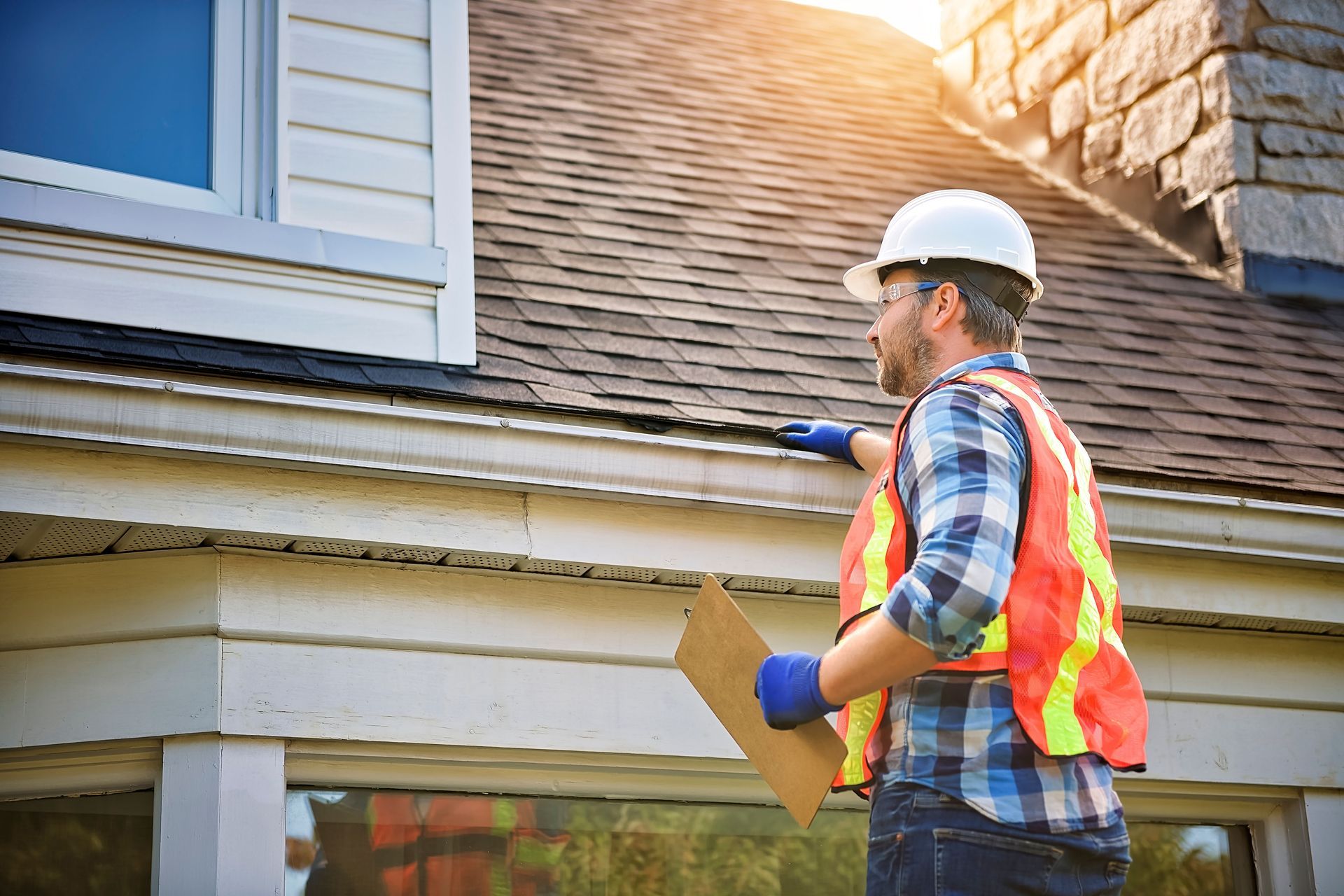
Routine maintenance is essential to extend the life of asphalt roofing. Regular inspections help identify missing or damaged shingles early, preventing more serious structural issues. Simple repairs can significantly improve performance and delay the need for full replacement.
Proper ventilation and installation also play a key role in extending roofing lifespan. When installed correctly, asphalt roofing can provide dependable protection for many years despite its lower cost compared to other materials.
2. Metal Roofing
2.1 Benefits of Metal Roofing
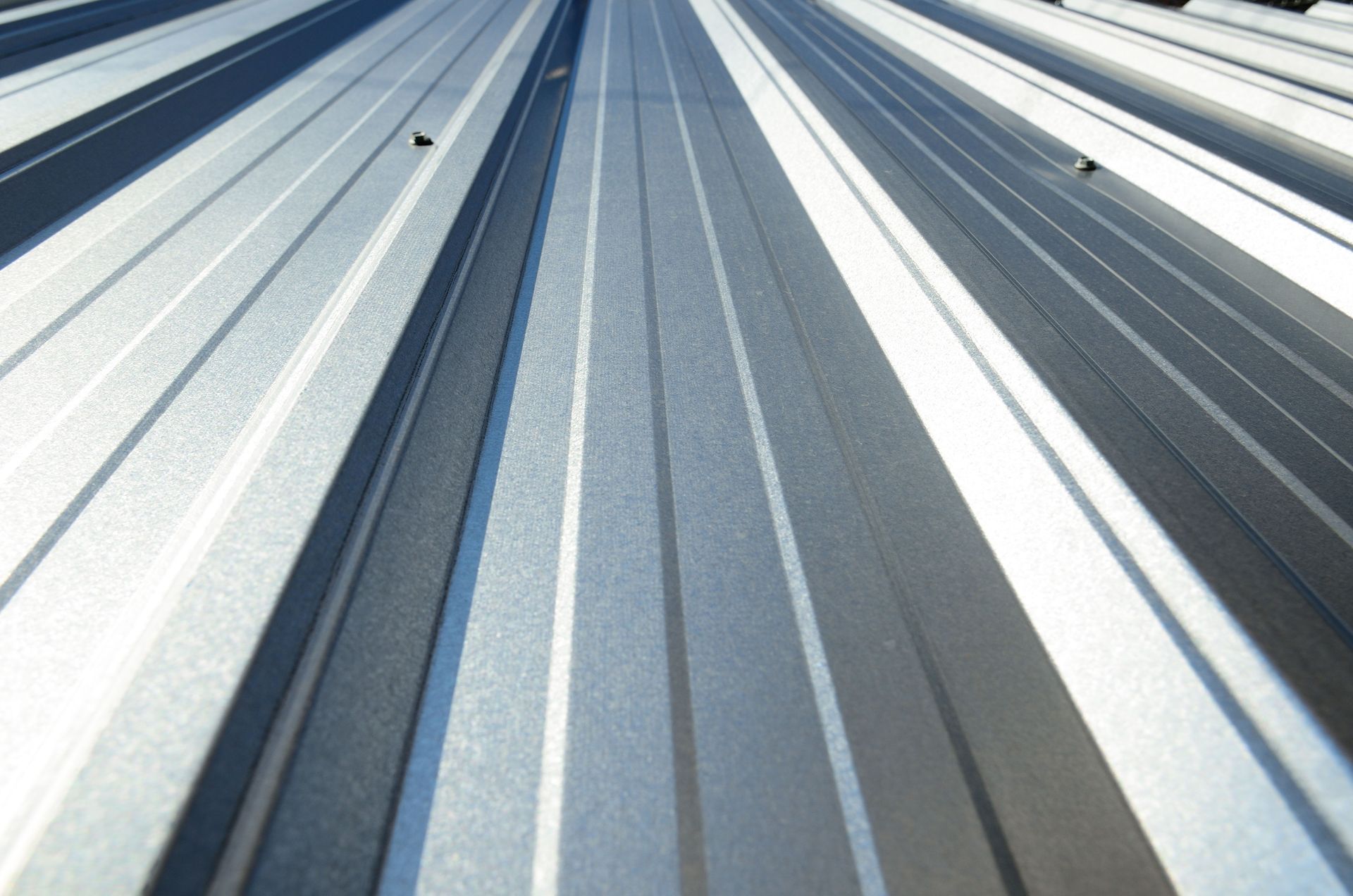
Metal roofing is known for its durability and long lifespan, often lasting 40 to 70 years or more. This makes it one of the longest-lasting roofing options available today. It performs well in harsh weather conditions, including heavy rain, snow, and strong winds.
Another advantage of metal roofing is its energy efficiency. It reflects sunlight, which helps reduce cooling costs during warmer months. This can make a noticeable difference in energy consumption, especially in regions with high temperatures.
Metal roofing is also considered environmentally friendly because many systems are made from recycled materials and are fully recyclable at the end of their lifespan. This reduces waste and supports more sustainable building practices.
2.2 Types and Installation
There are several types of metal roofing materials, including aluminum, steel, and copper. Each type offers different benefits in terms of cost, durability, and appearance. Steel is commonly used due to its strength and affordability, while aluminum is valued for its corrosion resistance.
Installation of metal roofing requires precision and expertise to ensure proper sealing and alignment. Because metal expands and contracts with temperature changes, correct installation is essential to prevent long-term damage or leaks.
When installed correctly, metal roofing provides a secure and highly durable system that requires minimal maintenance compared to other roofing materials.
2.3 Cost and Long-Term Value
Metal roofing generally has a higher upfront cost than asphalt roofing, but it offers significant long-term savings. Its long lifespan reduces the need for frequent replacements, which can lower lifetime expenses.
Energy savings also contribute to long-term value, as reduced cooling and heating costs add up over time. Many homeowners find that metal roofing pays off through durability, efficiency, and reduced maintenance needs.
3. Clay and Concrete Tiles
3.1 Overview and Durability
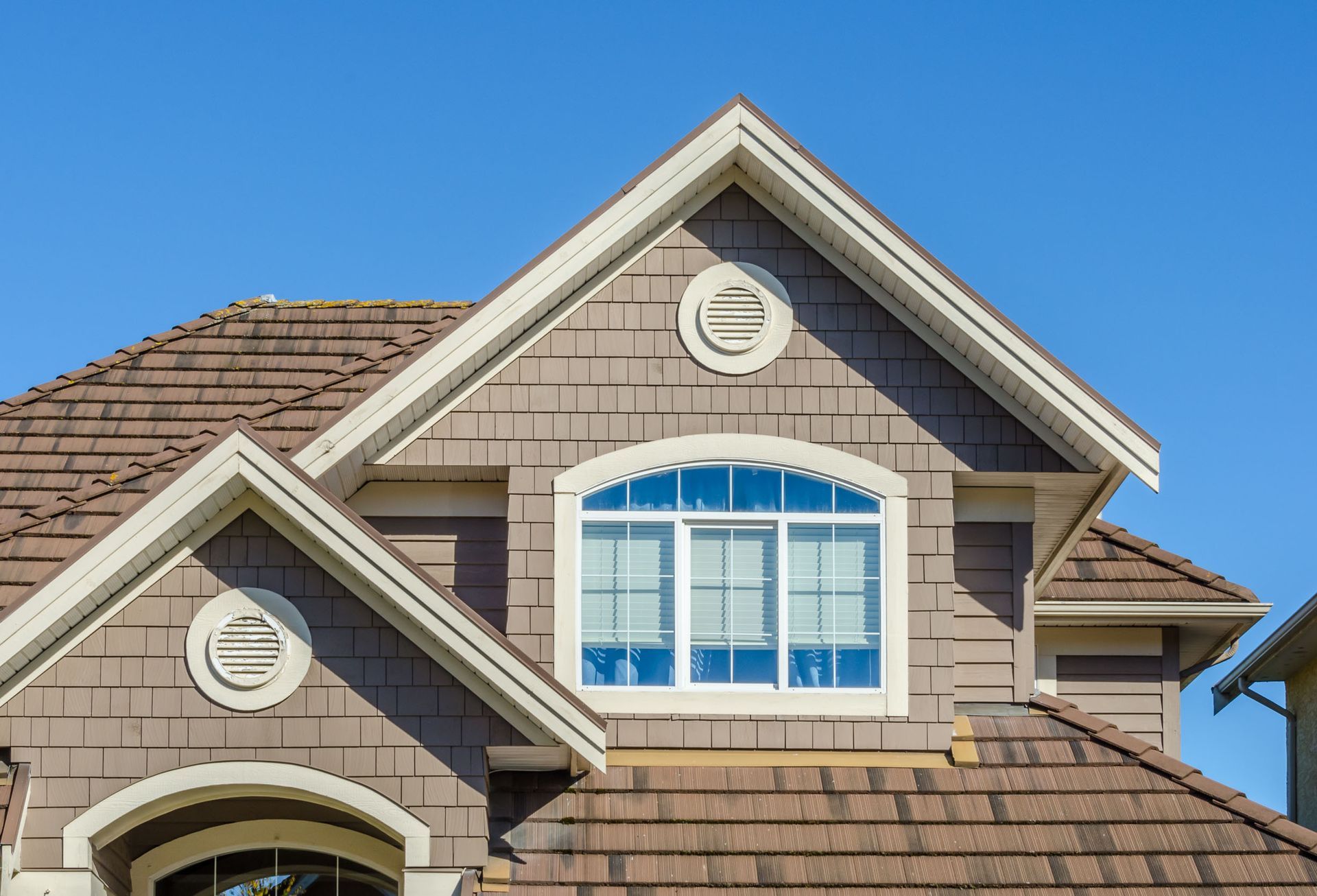
Clay and concrete tiles are known for their strength and distinctive appearance. These roofing materials are commonly used in Mediterranean and Spanish-style architecture and can last 50 years or more with proper care.
Both clay and concrete roofing systems are highly resistant to fire, insects, and rot. This makes them a durable choice for homeowners seeking long-term protection and visual appeal. However, their weight requires strong structural support.
Installation must be handled carefully due to the fragility of individual tiles during placement. Professional installation is essential to ensure the roofing system performs effectively over time.
3.2 Style and Application
Clay and concrete roofing materials offer strong visual appeal and are available in a variety of colors and shapes. Concrete tiles can also mimic the appearance of slate or wood, making them versatile for different architectural styles.
These roofing options are ideal for homeowners seeking a premium appearance with strong durability. Their ability to maintain color and structure over time adds to their long-term value.
Choosing the right roofing material depends on budget, climate, and long-term goals. Asphalt roofing remains the most common choice due to affordability, while metal roofing offers durability and energy efficiency. Clay and concrete tiles provide premium aesthetics and long-lasting performance for those willing to invest more upfront.
Each roofing system has unique strengths, and understanding these differences helps homeowners make informed decisions. Whether focusing on cost savings, durability, or design, selecting the right roofing option ensures long-term protection and value for any home.
When evaluating roofing options, it is also important to consider local weather patterns and how they impact long-term performance. Homes in areas with heavy snowfall or frequent storms may benefit from stronger, more impact-resistant roofing systems. On the other hand, milder climates may allow homeowners to prioritize cost and aesthetics without sacrificing durability.
Professional installation plays a major role in how well any roofing system performs over time. Even high-quality materials can fail prematurely if they are not installed correctly, which is why working with experienced roofing contractors is essential. Proper installation ensures better protection, improved energy efficiency, and a longer lifespan for the roofing system. For more information, contact Rainguard Roofing LLC.